Start Here
New here? Explore our core reading pillars—from gut science to regional agriculture—and find our top recommended foundational books.
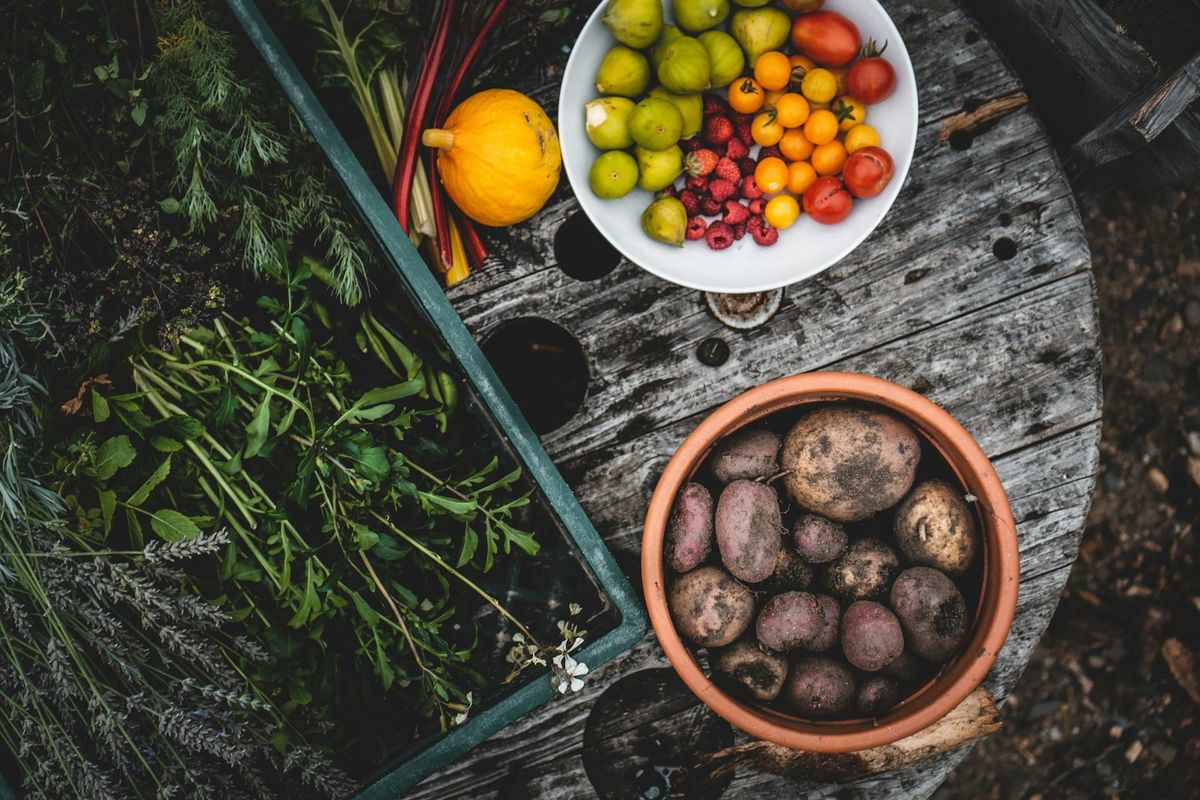
Welcome to Field Notes on Earth & Food. If you are new here, this publication sits at the intersection of nutritional science, sensory physiology, regional food history, and agricultural traditions.
Instead of quick diet trends or restrictive meal plans, these notes explore why we eat the way we do, how processing alters our relationship with flavor, and how returning to unadulterated, whole ingredients restores natural flavor wisdom.
Core Reading Pillars
To help you navigate the publication, articles are grouped into five core categories:
- Land & Origin: Soil, climate, agricultural science, micro-climates, and regional food traditions.
- Science & Gut: Unfiltered breakdowns of human nutrition, the microbiome, and the mechanics behind cross-allergies and intolerances—without clinical jargon.
- Everyday Table: Practical allergen-friendly recipes, hydrocolloid guides, and kitchen swaps from my baking background that accommodate complex family needs without sacrificing flavor. Feel free to personalize each recipe to fit your dietary needs.
- Field Guides: Practical lifestyle and travel advice on how to navigate local dining, coastal trips, and global travel safely with food sensitivities.
- Stories & Lore: Fascinating histories behind popular foods, personal memoirs, and human connection around food.

Recommended First Reads
- Fast Food Nation: The Dark Side of the All-American Meal by Eric Schlosser – My very first read on the food industry and a foundational catalyst for examining modern food systems.
- The Mind-Gut Connection by Dr. Emeran Mayer – An essential exploration of how the gut microbiome and brain communicate to shape our sensory pathways, mood, and health.
- A Geography of Time by Robert Levine – A brilliant look at cultural rhythms, pace of life, and how regional environments shape human habits.
Reclaim Your Kitchen Roots
Download The Ancestral Pantry Guide to explore how European food preservation and seasonal rhythms nourished human health through dark winters. Get practical steps for stocking traditional staples like long-ferment sourdough and wild-fermented vegetables.