Is Olive Oil Really Medicinal? (Or Is It Just Marketing?)
From ancient Greek traditions to EU health claims: we explore the chemistry of high-phenolic EVOO, the throat "cough test," and whether olive oil is truly medicine.
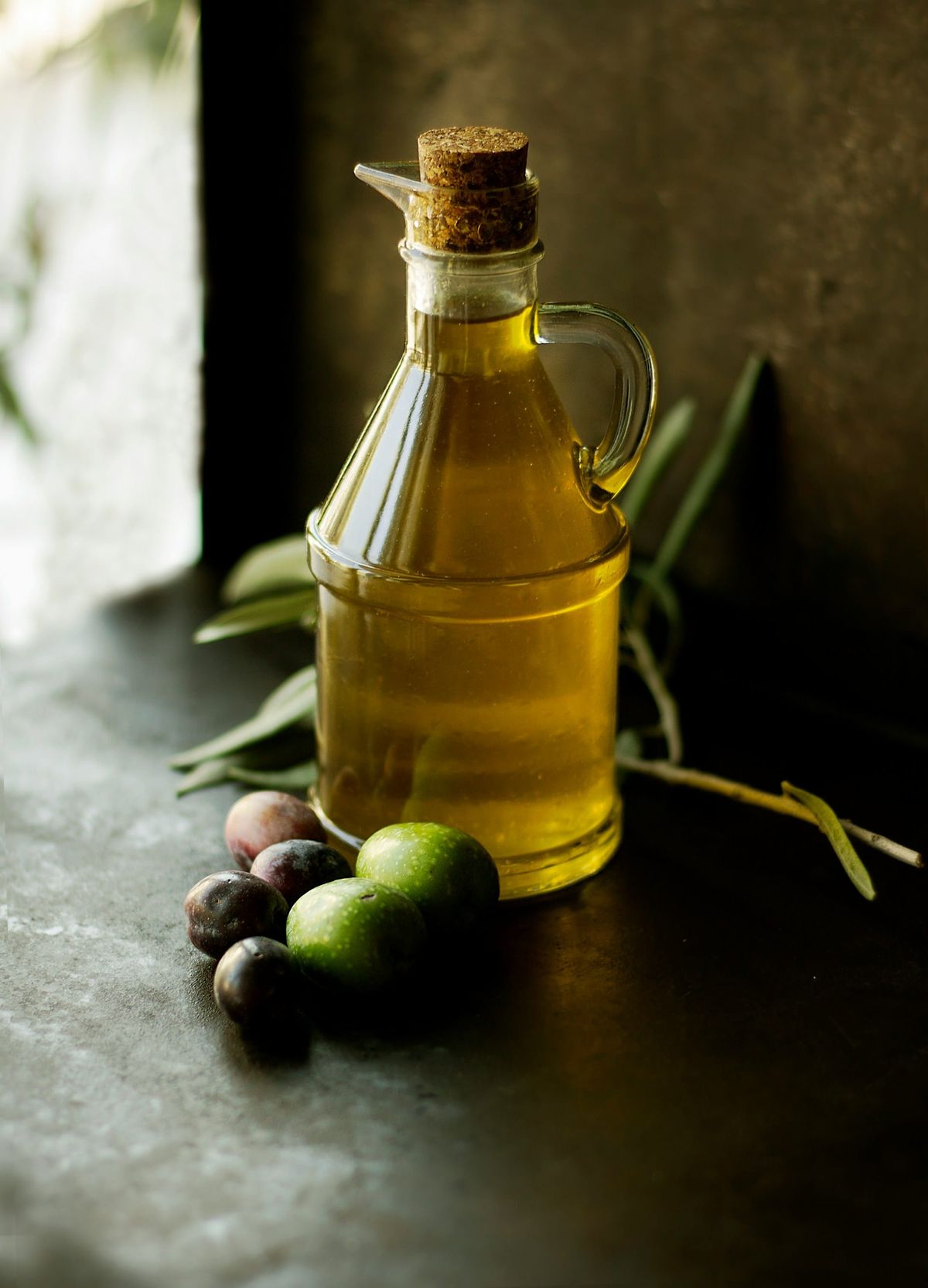
Travel through the mountain villages of Colombia, visit quiet monastery gardens in Germany, or stop at a remote farm in northern Wisconsin, and you will notice a striking common thread: places with a deep, hyper-local connection to their food seem to cultivate vibrant health and impressive longevity. Eating what the land naturally provides doesn't just produce incredible flavor—it fosters a deeper, almost reverent way of living.
Nowhere is this philosophy more alive than on the Mediterranean archipeligo of Greece. At Peskesi, a traditional farm and restaurant dedicated to preserving ancient Cretan foodways, their menu sets a table inspired by health and longevity. Among the stories they share about wild greens, raw honey, and native herbs, one description immediately stands out: on Crete, olive oil is not treated merely as a cooking staple, but explicitly as "medicine."
It is a captivating concept that goes far beyond simple culinary tradition. But it also raises a genuine question: Is olive oil actually medicinal in a true biological sense, or is "medicine" just a poetic term for a healthy ingredient?
To find out, we have to look past the marketing labels and examine the biochemistry.
First, What Is Olive Oil? (It’s Not What You Think)
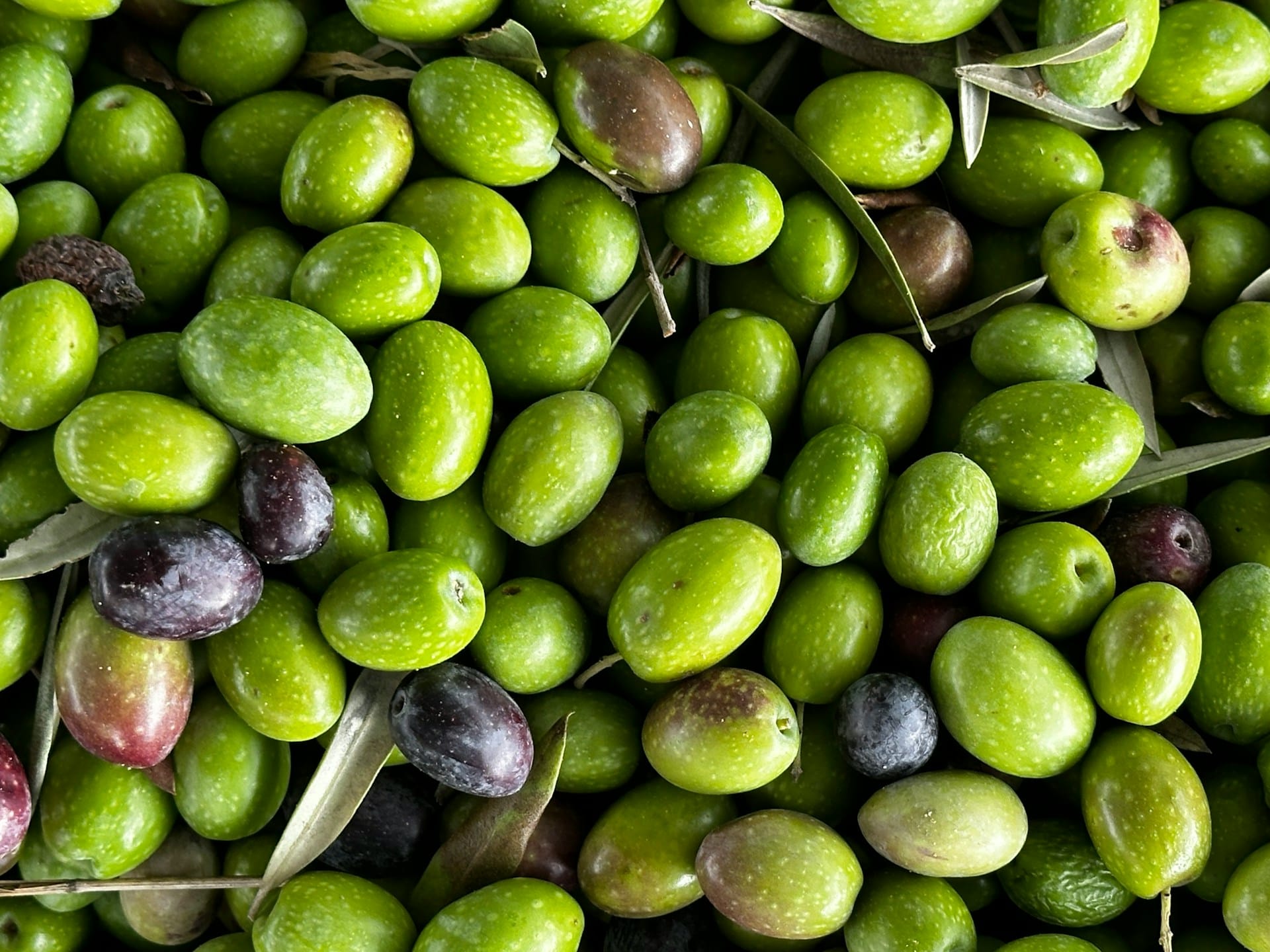
We usually lump olive oil in the same category as canola, sunflower, or coconut oil. But botanically speaking, olive oil is unique: it is technically a fresh fruit juice.
Most fruits, like grapes or oranges, store their energy as sugary water. Olives, which grow on Olea europaea trees, store their energy as fat. When you crush fresh olives, you are simply squeezing out the raw juice of the fruit, separating the oil from the water.
"Healthy" vs. "Medicinal": Where Is the Line?
To understand if olive oil is medicinal, we have to define what that word actually means.
- A "Healthy" Food gives your body the baseline nutrients it needs to run smoothly—like healthy fats, vitamins, and minerals. Standard olive oil is a great healthy fat because it is rich in monounsaturated fatty acids (mainly oleic acid) that support heart health.
- A "Medicinal" Food goes a step further. It contains active natural compounds that can directly target and reduce physiological problems in the body—such as calming chronic inflammation or neutralizing damaging "free radicals" that wear down our cells over time.
So, can olive oil do that? Yes—but only if it contains enough of the right compounds.
The Secret Ingredient: Polyphenols
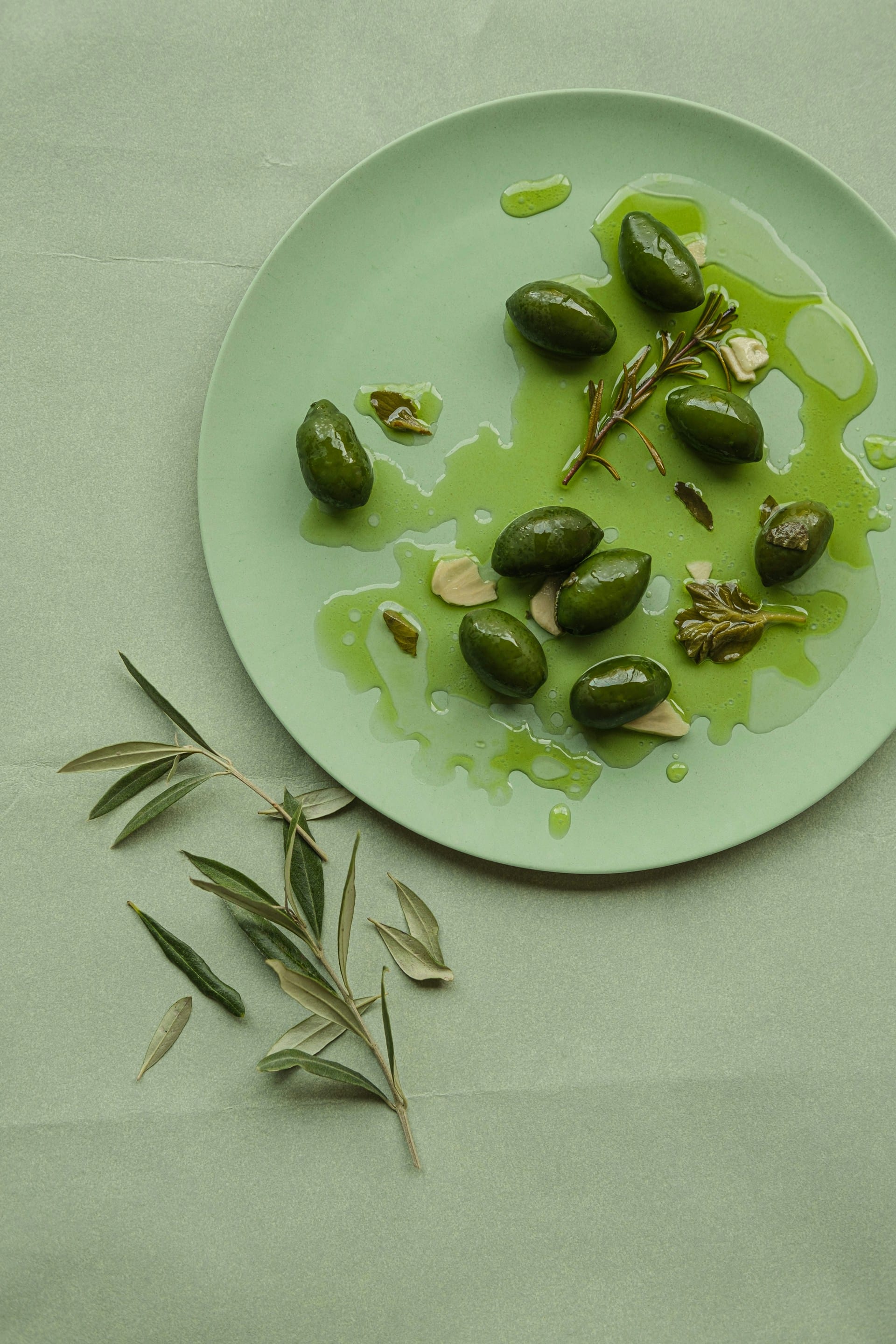
The magic behind olive oil’s medical potential comes down to polyphenols. These are natural antioxidants produced by the olive tree to protect the fruit from harsh weather, pests, and sun damage. When we consume them, they offer similar protective benefits to our cells.
The European Union’s Food Safety Authority (EFSA) officially allows certain olive oils to carry a certified health claim: they can protect blood lipids from oxidative stress.
However, to legally make that claim, the oil must contain at least 250 milligrams of polyphenols per 1 kilogram of oil.
Here is how different oils stack up:
- Supermarket Olive Oils (Everyday Cooking): Most mild, yellow extra virgin olive oils on grocery shelves contain around 100 to 200 mg/kg of polyphenols. They are great for daily cooking and salad dressings, but they do not hit the medicinal threshold.
- High-Phenolic Olive Oils (Medicinal Grade): Early-harvest oils can pack anywhere from 500 to well over 1,000 mg/kg of polyphenols. These are the ones studied for therapeutic health benefits.
The "Cough Test": A Simple Way to Test Your Oil
You do not need a laboratory to tell if an olive oil is high in polyphenols. You just need your throat.
One of the most potent polyphenols in fresh olive oil is called oleocanthal. In 2005, scientists discovered something surprising: oleocanthal triggers the exact same chemical sensor in the throat as the anti-inflammatory drug ibuprofen.
If you take a small sip of raw, high-polyphenol extra virgin olive oil, swirl it, and swallow:
- Zero Coughs: The oil tastes smooth, buttery, and mild. (Low polyphenol count—great for cooking, but not medicinal.)
- One or Two Coughs: You feel a sharp, peppery sting or tickle at the very back of your throat that makes you cough. (High polyphenol count—this is the real deal!)
Why Isn't All Olive Oil Medicinal?
If early-harvest olives make such powerful oil, why don't producers make all olive oil this way? It comes down to yield and processing:
- Harvest Timing: Green, unripe olives harvested early in the season contain the highest concentration of bitter, peppery polyphenols. However, green olives yield very little oil. If a farmer waits until the olives turn black and soft, they get significantly more oil per tree—but most of the medicinal antioxidants disappear.
- Heat and Oxygen: Light, heat, and air destroy polyphenols rapidly. Once an open bottle sits in a warm kitchen for 3 to 4 months, its polyphenol levels drop significantly, turning a "medicinal" oil back into a standard culinary fat.
How to Use Medicinal Olive Oil as a Daily Supplement
If you decide to invest in a high-phenolic olive oil, treat it more like a liquid dietary supplement than a pan lubricant:
- Take it Raw: Take about 20 ml (roughly 1.5 tablespoons) every morning on an empty stomach, or drizzle it over a finished soup or salad right before eating.
- Never Heat It: High cooking temperatures destroy the delicate polyphenols. Keep your high-phenolic oil away from the frying pan.
- Buy Small, Dark Bottles: Buy smaller quantities (100–250 ml) in dark glass bottles, keep them tightly capped in a cool cupboard (or fridge), and use them within a couple of months of opening.
The Bottom Line
Is olive oil really medicinal? Yes—when it is high-phenolic extra virgin olive oil.
While everyday supermarket extra virgin olive oils are still a fantastic, nutritious replacement for processed seed oils, true therapeutic-grade olive oil is a specialized product. It requires early-harvest fruit, careful extraction, and protection from heat and light.
It often comes with a higher price tag (around €30 to €38 per liter), but for those looking to harness the ancient Mediterranean tradition of food as medicine, high-phenolic EVOO is one of the most powerful functional foods nature has to offer.
Sources & Further Reading
- EU Health Claim Regulation:European Commission EU Register of Health Claims (Regulation EU No 432/2012)– Official approval regarding olive oil polyphenols and protection of blood lipids from oxidative stress.
- The Science of Olive Oil:FoodUnfolded – The Science Behind Olive Oil– Detailed breakdown of EVOO extraction, grades, and bioactive compounds.
- Oleocanthal & The Cough Test:Nature – Ibuprofen-like Activity in Extra Virgin Olive Oil (Beauchamp et al., 2005)– Landmark study revealing how oleocanthal triggers the same anti-inflammatory receptors in the throat as ibuprofen.
- Archaeology & History:University of Melbourne Pursuit – The Archaeology of Olive Oil in the Ancient World– Historical overview of olive oil production and medicinal use across ancient civilizations.
- Polyphenols & Health:National Center for Biotechnology Information (NCBI) – Health Properties of Plant Polyphenols– Scientific review on the antioxidant and anti-inflammatory properties of plant polyphenols.