The History of Apple Pie: From Medieval Coffins to Unpeeled Perfection
Explore the fascinating global history of apple pie—from medieval pie "coffins" to modern sourdough crusts, unpeeled heirloom apples, and mindful baking secrets.
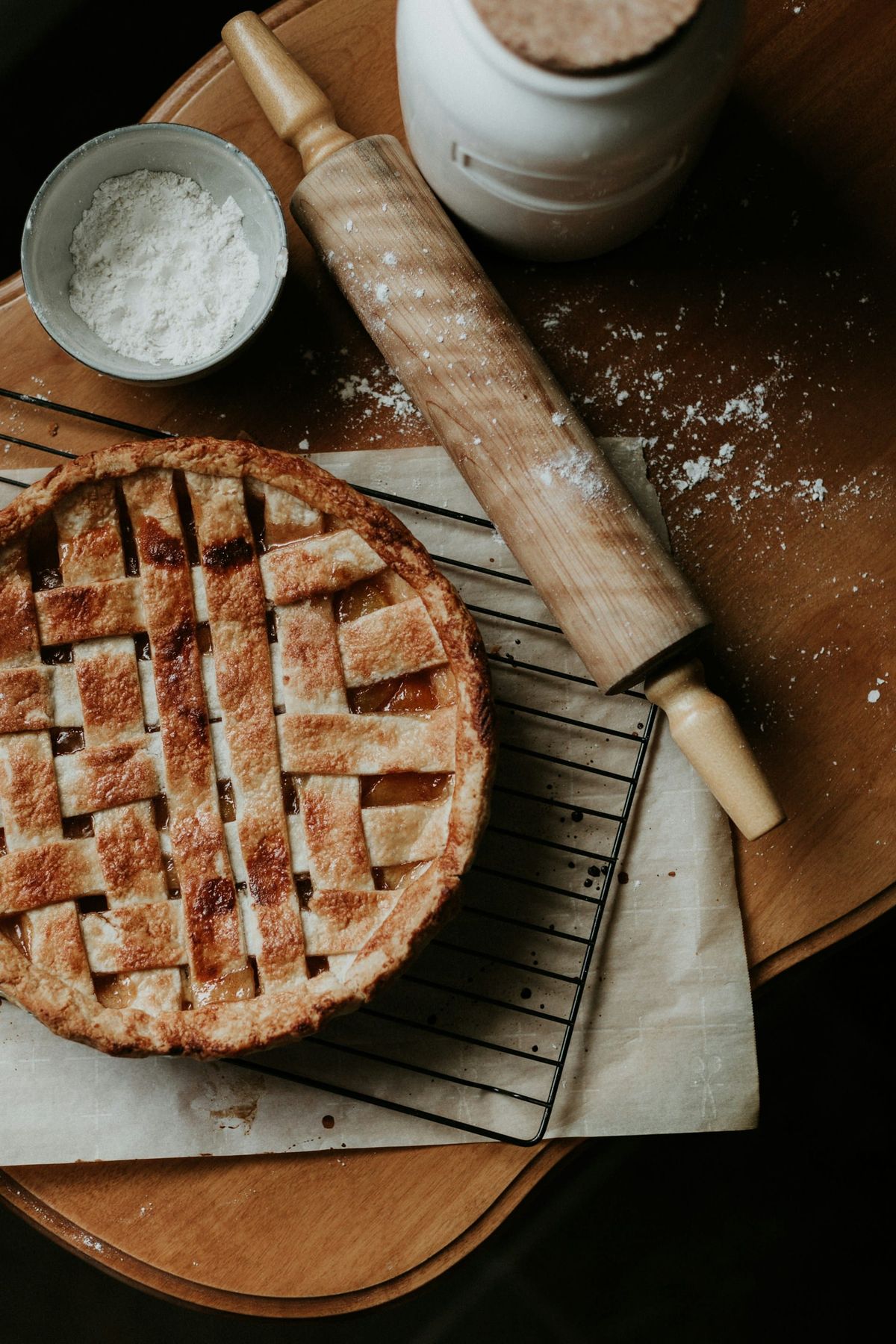
When the air turns crisp and late-summer daylight shifts into a golden autumn glow, our collective culinary instincts point toward the oven. And across much of the Western world, no single dish represents autumn solace quite like a warm, freshly baked apple pie.
Yet, beneath its golden crust lies a fascinating global journey. The story of apple pie spans thousands of wild plant species, ancient medieval storage vessels, distinct European regional baking traditions, and a fundamental lesson in how we process sweetness.
The Botanical Origins: Apples by the Numbers
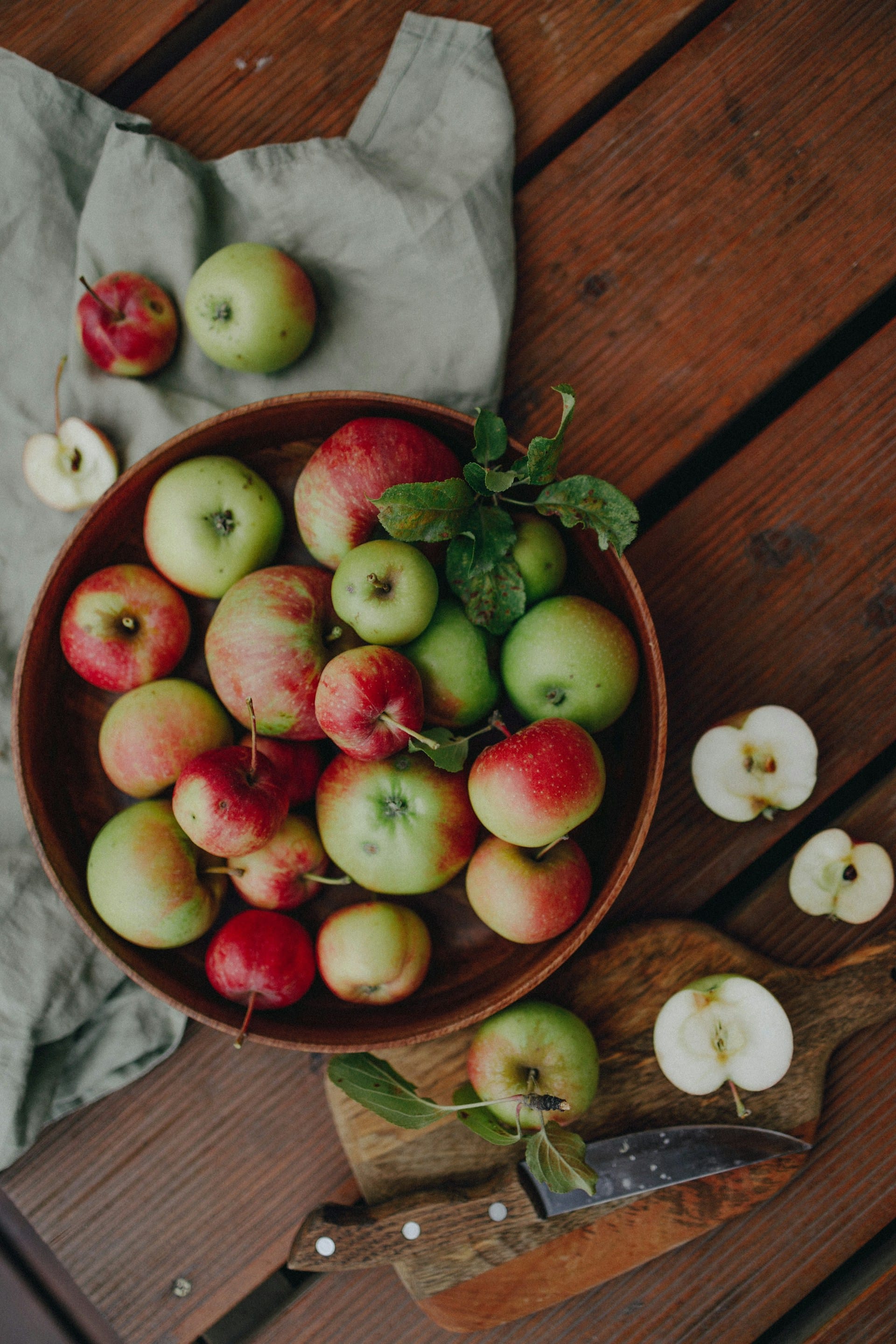
Today, apples seem ubiquitous, resting neatly in grocery store display cases year-round. However, their variety and global footprint are astonishing. Botanists estimate there are more than 7,500 distinct cultivated varieties, or cultivars, of apples (Malus domestica) grown worldwide. Despite this immense biodiversity, the average modern supermarket selectively stocks only 5 to 15 commercial varieties, consistently favoring long shelf life and uniform visual appearance over rich flavor profiles or historical baking qualities. On a global level, apple production spans the entire world, with China standing as the world's largest producer, followed by major growing regions across the United States, Poland, Turkey, Italy, and Germany.
The title of the world’s oldest documented apple variety belongs to the Court Pendu Plat, an ancient French heirloom variety dating back to Roman times. Revered for its dense, firm texture and tart-sweet balance, it earned the nickname "the Royal Apple" and remains an exceptional baking choice wherever it is preserved today. When it comes to pie baking, peak seasons vary distinctly by region. While apple pie baking in North America peaks dramatically between September and November to align with harvest festivals, Thanksgiving, and winter holidays, European cultures often bake apple tarts and pies steadily from late summer through early spring, leaning heavily on cellared winter apples.
From Medieval "Coffins" to the Modern Slice
The savory and sweet pies we enjoy today look nothing like their historical predecessors.
The Roman & Medieval "Coffin" Crusts
The savory and sweet pies we enjoy today look nothing like their historical predecessors. The earliest iterations of pie crusts, popularized in Roman antiquity and medieval England, were called "coffins" or "coffyns." These crusts were made from a thick, hard mix of flour, water, and occasionally rye or lard, and they were not designed to be eaten. Instead, the dense dough acted as a primitive, airtight baking vessel and preservation tool that sealed meats, game, or seasonal wild fruit inside, preventing decay and extending food storage in an era before refrigeration. Workers often cracked open the rock-hard shell, ate the slow-cooked contents inside, and discarded the charred casing.
As pastry techniques evolved between the fourteenth and sixteenth centuries, edible lard and butter pastries were introduced across Europe. By the seventeenth and eighteenth centuries, European immigrants combined these refined pastry techniques with wild and cultivated apples in the Americas. As these pastry methods developed to create delicate, edible crusts, regional preferences began to diverge into distinct local favorites.
Today, the world's most cherished pies break down into clear regional contenders. In the Americas, sweet traditions revolve around apple, pumpkin, and pecan pies. Across the United Kingdom, savory options like steak and kidney or potato-topped shepherd's pie sit alongside sweet Bramley apple pie. In Central and Eastern Europe, classic favorites center around delicate apple strudels and tarts, savory meat or vegetable pirozhki, and rustic plum and fruit galettes.
European Roots & Cultural Traditions
As cultivated apples spread along trade routes, different cultures developed unique ways to marry the fruit with dough. The earliest recorded English recipe for apple pie dates back to 1381, published by Master Cooks to King Richard II. It was a true sugarless pioneer, featuring apples, figs, raisins, pears, and spices like saffron and cinnamon, sweetened entirely with dried fruit because refined sugar was an extraordinarily expensive luxury at the time. By the 1500s, Dutch bakers perfected the Appeltaart, an open-work lattice pastry heavily spiced with cinnamon, nutmeg, and lemon juice, cooked in tall springform pans. Later, European settlers brought apple seeds and grafted rootstock to North America, where the only native species was the small, sour crabapple. They merged English pie-making methods with Dutch lattice designs and German streusel techniques, creating what eventually became the iconic American deep-dish pie.
European food cultures also feature dozens of regional approaches to baking with apples. In Germany, options range from delicate, paper-thin Apfelstrudel pulled by hand to rich yeast-dough Apfelkuchen sheets topped with apples and almonds. In France, bakers showcase the famous caramelized upside-down Tarte Tatin alongside delicate French tarts featuring paper-thin apple slices arranged symmetrically over almond frangipane cream. Romania offers Plăcintă cu Mere, a traditional layered pastry filled with grated, cinnamon-spiced apples sandwiched between soft, buttery dough sheets. In Sweden and Finland, the traditional Äppelpaj is often baked as a simple crumble featuring oats, melted butter, and cardamom, served alongside warm vaniljsås. Slovenia features Gibanica, a traditional multi-layered festive pastry with alternating tiers of apples, cottage cheese, walnuts, and poppy seeds. Conversely, in Mediterranean or island climates like parts of southern Spain, Cyprus, or Portugal, traditional baking historically favored citrus, figs, almonds, and stone fruits, as temperate apple trees require cold winter chilling hours to set fruit.
A Lesson in Sweetness: The 1997 Dade County Fair
My personal philosophy of baking without mountains of refined sugar began in April of 1997 at the Dade County Fair (in Florida, USA). As a shy, curious fifteen-year-old, I entered the baking competition with my mother’s cherished zucchini bread, topped with a rich cream cheese frosting. During delivery, panic struck: I realized I had completely forgotten to add the sugar into the cake batter! Assuming all was lost, I submitted it anyway since we we already at the Fair.
To my complete surprise, a letter arrived weeks later inviting me to the awards ceremony. I had won second place—saved by the fact that the cream cheese frosting was sweet enough to balance the unsweetened cake underneath. Curious to see who had taken first place, I watched a young lady step up to accept the blue ribbon for her apple pie, baked using a secret family blend of six distinct apple varieties.
That day taught me two lifelong lessons: finding "your" ultimate baking apple is a journey worth pursuing, and baked goods do not need to be loaded with refined sugar to taste extraordinary. That realization became a guiding principle during my years owning and operating the Columbia Bakery Café in Fürth, and it remains the bedrock of how I bake today—keeping sweetness minimalistic, letting real ingredients shine, and honoring natural, unadulterated flavors.
Crafting the Crust and Finding the Perfect Apple
Defining a traditional apple pie comes down to a few key structural choices. While lard or margarine were historically used for budget or structural reasons, pure cultured butter remains my absolute gold standard for crusts. Butter contains water that evaporates into steam during baking, creating delicate, flaky layers alongside a complex, savory lactic acid flavor that pairs beautifully with sweet-tart fruit. Traditionally, the Granny Smith was my reliable go-to choice for years due to its firm cell structure that prevents it from turning to mush and its sharp tartness.
However, my entire approach to baking apple pie shifted when I was introduced to an unknown variety of apples straight from my friend’s parents' garden. The tree was planted by her late father nearly forty years ago, and while no one knows the exact name of the variety, it makes the absolute best filling I have ever tasted. These small apples are about one-third less tart than a Granny Smith, but they carry a unique, almost floral aroma that is just heavenly. Because they have just enough natural sweetness, I can bake them with no added sugar. Instead, I like adding a small handful of raisins, which introduces a natural, fiber-rich sweetness that complements the apples while keeping the recipe grounded in a mindful approach to sugar.
The Unpeeled Secret to Intense Flavor
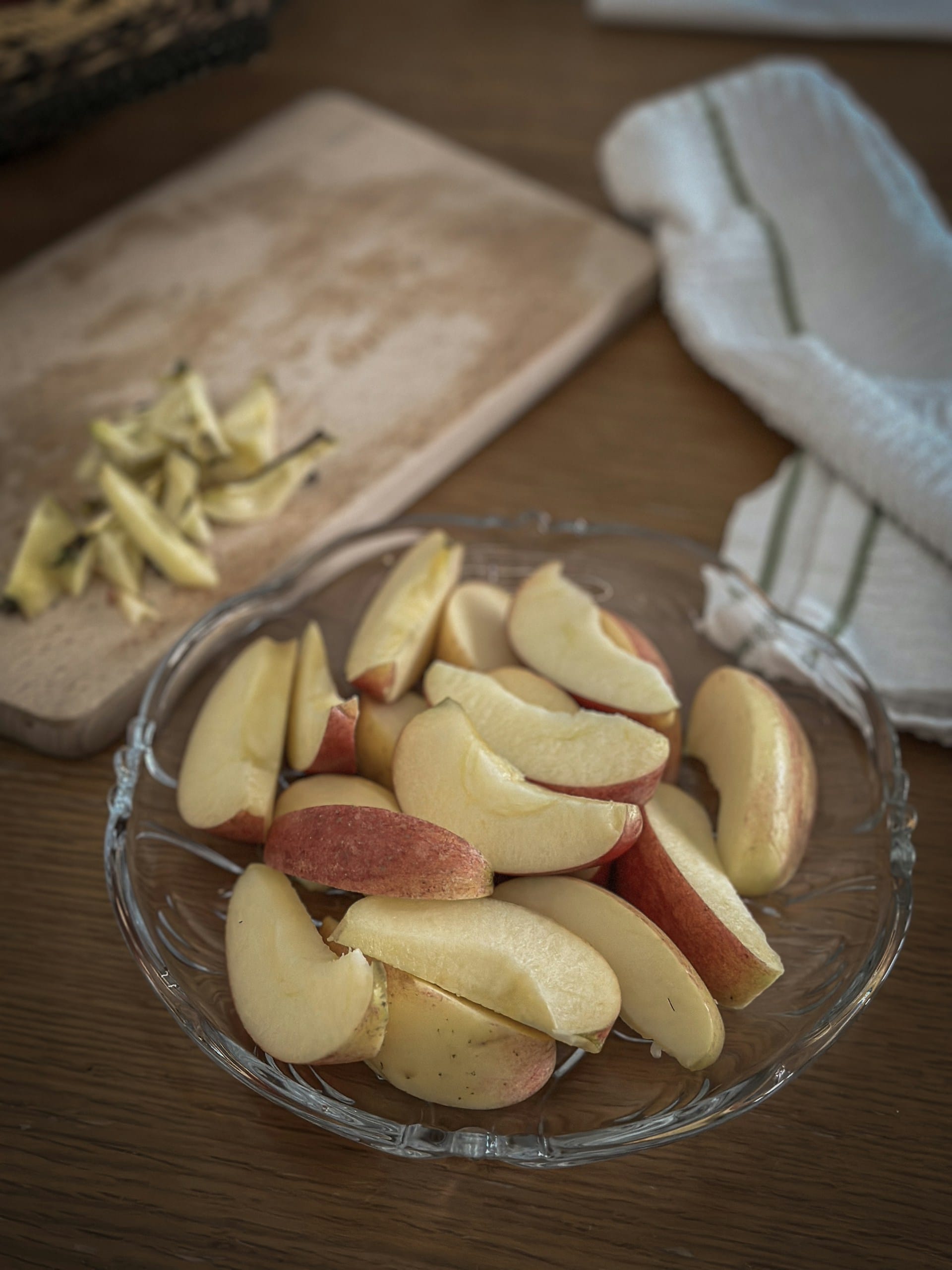
My other big secret for an aromatically intense apple pie is that I never peel my apples. The majority of an apple's aromatic compounds and essential oils are concentrated directly inside and just beneath the skin. Leaving the peel on locks in that intense fruit aroma, adds a wonderful structural texture, and preserves valuable dietary fiber like pectin that feeds a healthy gut microbiome. Rather than making a sugar-heavy syrup thickened with wheat flour, keeping the apples unpeeled and combining them with natural fruit sweetness and a small touch of cornstarch creates a clean, naturally gluten-free filling.
Modern Adaptations for Digestion and Flavor
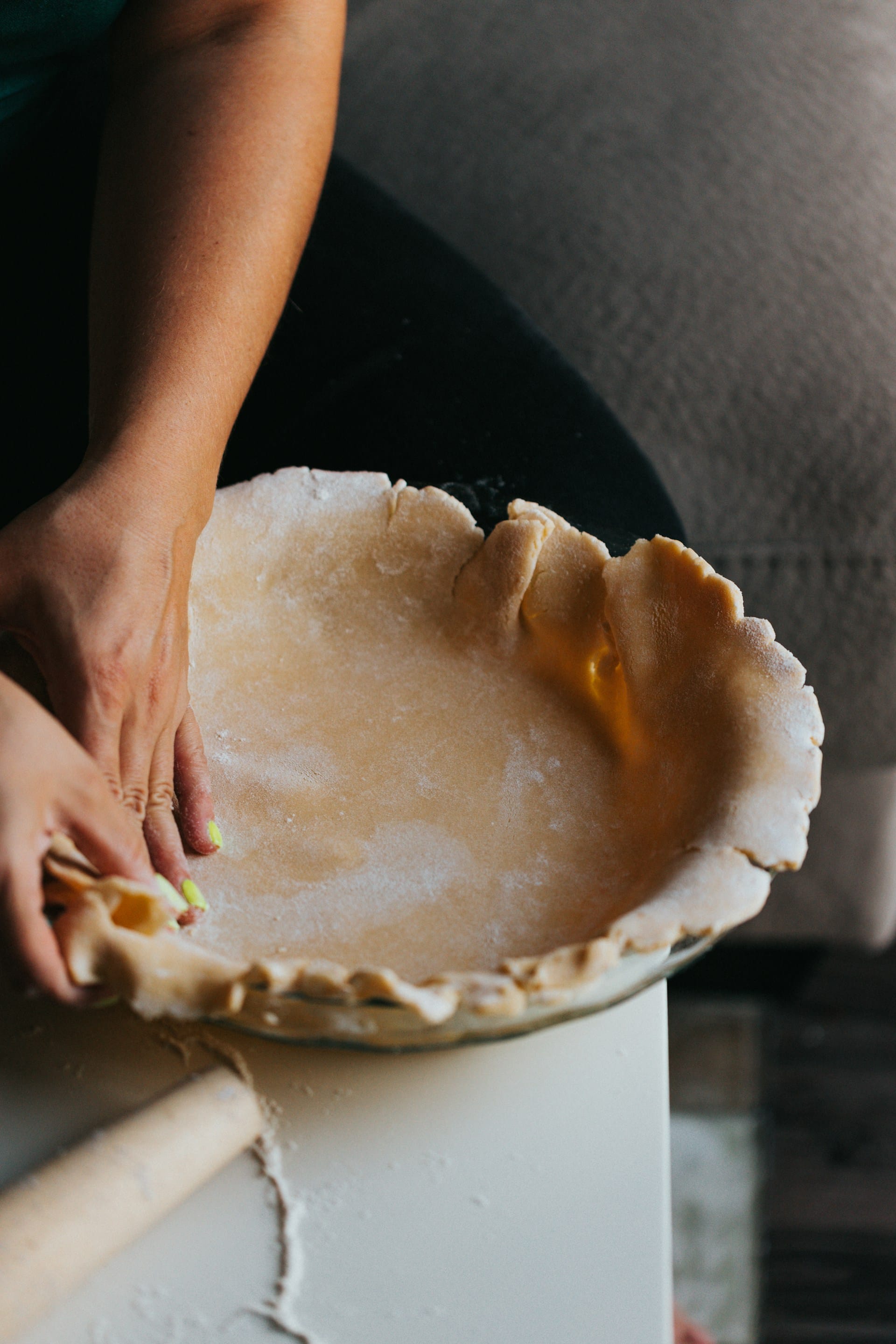
Beyond traditional methods, I also love exploring how modern culinary techniques can elevate a classic pie. I have discovered that incorporating active sourdough starter discard into pastry dough adds a subtle, complex tang while sourdough fermentation helps break down starches, making the crust easier to digest and gentler on the gut.
I am also fascinated by the tradition of pairing pie with sharp cheddar cheese, a combination popularized in the American Midwest and parts of the UK that pairs rich, salty fats with sweet, spiced fruit.
Adapting for Every Table
One of the greatest qualities of traditional apple pie is its versatility, making it easy to adapt to different dietary needs without sacrificing an ounce of comfort. You can easily craft a no-added-sugar version by leaning on naturally sweet apple varieties, warm cinnamon, and raisins. For a completely plant-based or vegan table, swapping dairy butter for a high-quality organic plant-based margarine or coconut oil keeps the pastry rich and flaky. If you are baking for someone who cannot tolerate cinnamon, replacing it with finely grated tonka bean creates an extraordinary aroma with notes of vanilla, almond, and clove. For a gluten-free kitchen, utilizing simple starch thickeners like cornstarch for the filling provides a reliable base while allowing you to experiment with lighter, non-wheat pastry doughs.
What family pie traditions or childhood baking memories do you hold dear? Do you have a favorite, "must-use" baking apple, or do you prefer mixing multiple varieties together in your kitchen? Have you ever tried baking an apple pie with the peels left on? I would love to hear your thoughts, favorite recipes, and childhood memories, so please share them in the comments below!
This post is just the beginning of our seasonal autumn baking journey. In my next post, I will be sharing my quick, gluten-free, and plant-based Almond & Tonka Apple Streusel recipe—the ultimate solution for when late-summer apple harvests overflow. Following that, we will look at how to transform those cozy crumble leftovers into a protein-rich, warming autumn breakfast bowl with German Quark and oats to brighten up grey morning routines.
What Is Your Favorite Pie Tradition?
Whether through uncovering forgotten heirloom apple varieties, experimenting with sourdough crusts, or embracing the unpeeled secret to deeper flavor and fiber, the journey of baking a traditional apple pie connects us deeply to history and our own memories.
What family pie traditions or childhood baking memories do you hold dear? Do you have a favorite, must-use baking apple, or do you prefer mixing multiple varieties together in your kitchen? Have you ever tried baking an apple pie with the peels left on? Share your stories, favorite recipes, and thoughts in the comments below!
What’s Coming Next: Harvest Bake and Cozy Morning Oats
Our seasonal autumn baking journey is only just beginning. How do we handle an overwhelming surplus of late-summer fruit, and how can we turn simple, wholesome ingredients into an everyday source of comfort?
In the next post of this series, we will explore the cozy art of the Apple-Crumble. We’ll look at a quick, gluten-free, and plant-based Almond & Tonka Apple Streusel recipe that serves as the ultimate solution for when orchard harvests overflow.
Following that, we will look at how to transform those cozy crumble leftovers into a protein-rich, warming autumn breakfast bowl.