Beyond the Plastic Mask: The Ancient Celtic Roots and Real Food Traditions of Samhain (aka Halloween)
Look past the plastic candy buckets and discover the ancient Irish origins of Halloween. Explore the agricultural roots, real food traditions, and seasonal wisdom of Samhain.
When October draws to a close and the commercial aisles fill with synthetic polyester costumes and neon-plastic buckets of high-fructose corn syrup, modern Halloween can easily feel like a manufactured spectacle. We view it as a holiday built around sugar crashes and fright-night movie marathons.
Yet, beneath all that plastic lies a profound, century-old seasonal milestone. Long before mass-produced candy existed, Halloween was born as Samhain (pronounced sow-en) in ancient Ireland—a deeply grounding harvest festival marking the transition from the warmth of summer into the dark, quiet embrace of winter.
To understand what truly matters during this time of year, we have to look past the grocery store check-out aisle and explore the agricultural roots, ancient culinary traditions, and metabolic wisdom of Ireland’s original Samhain customs.
Deep Roots: The Agricultural Pivot of Samhain
For ancient Celtic communities, Samhain (celebrated between October 31st and November 1st) was a moment of absolute agricultural necessity. The grueling work of the autumn harvest was finally complete. The root crops were pulled, the winter stores were locked away, and the livestock were brought down from summer pastures.
It was also considered the Celtic New Year—a porous threshold where the boundary between our world and the unseen spirit realm grew thin. To honor ancestors, welcome wandering spirits, and ward off the deep chill of the approaching dark months, communities gathered around massive bonfires, leaving offerings of fruit and nuts unlatched at their doors.
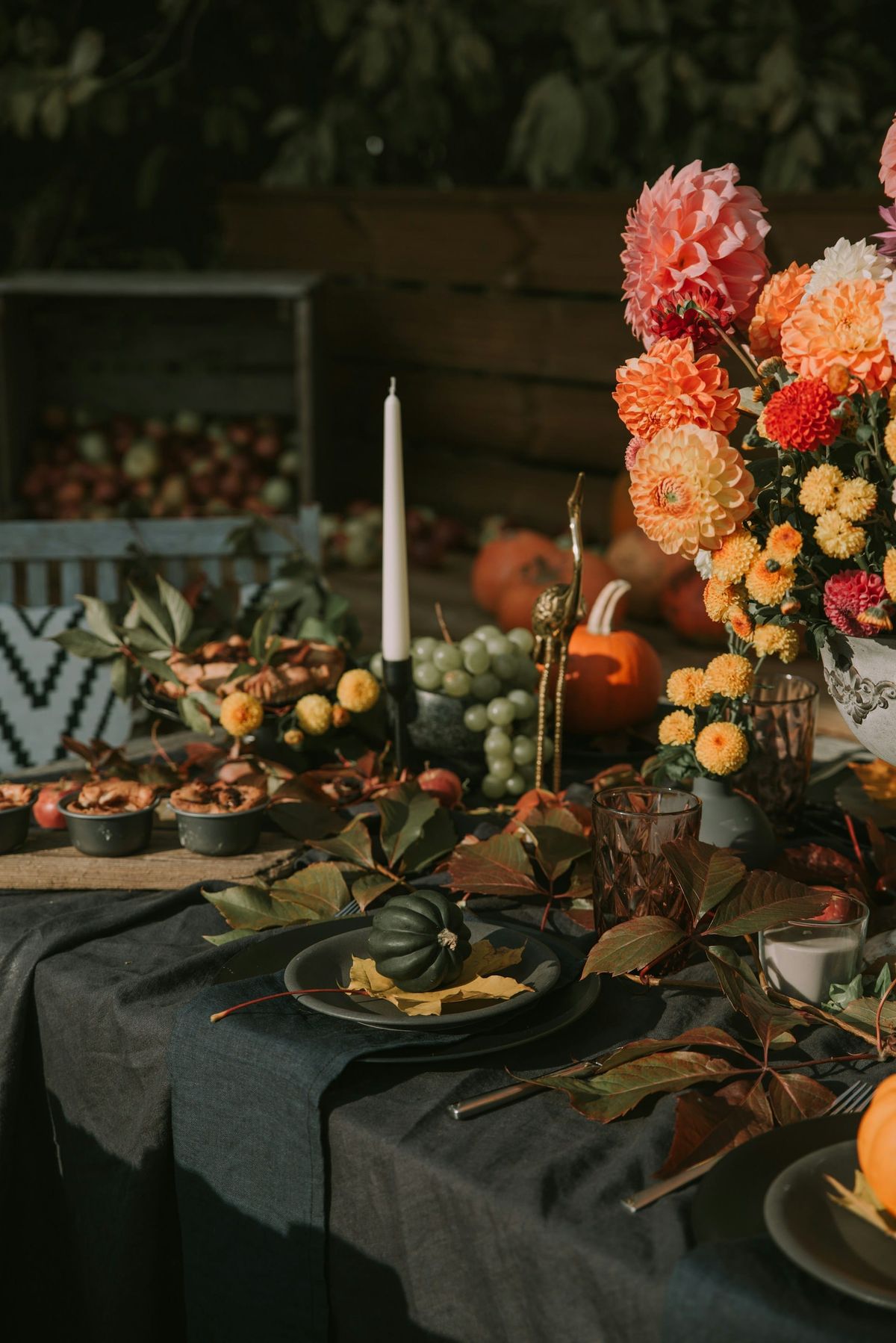
This was not a superficial celebration; it was a communal feast on par with midwinter holidays. It centered entirely on what the local earth provided: late-pulling potatoes, fiber-rich greens like kale and cabbage, wild hazelnuts, and an abundance of late-season apples.
From All Hallows’ Eve to Mass Commercialization
How did an ancient Celtic harvest milestone transform into the global, multi-billion-dollar event we recognize today? The answer lies in a combination of religious re-branding, 19th-century transatlantic migration, and post-war American commercial ingenuity.
The Linguistic Shift: How Samhain Became Halloween
As Christianity spread across the British Isles during the 8th and 9th centuries, the Catholic Church sought to incorporate existing pagan harvest festivals into the liturgical calendar. In 835 AD, Pope Gregory IV officially moved the celebration of All Saints' Day (also known as All Hallows' Day, from the Old English word halig, meaning holy) to November 1st.
Consequently, the night before—October 31st, the traditional evening of Samhain—became known as All Hallows' Even (evening). Over centuries of oral tradition, Scots-Gaelic contractions softened All Hallows' Even down to Hallowe'en, and eventually, Halloween.
The American Re-Invention and Post-War Boom
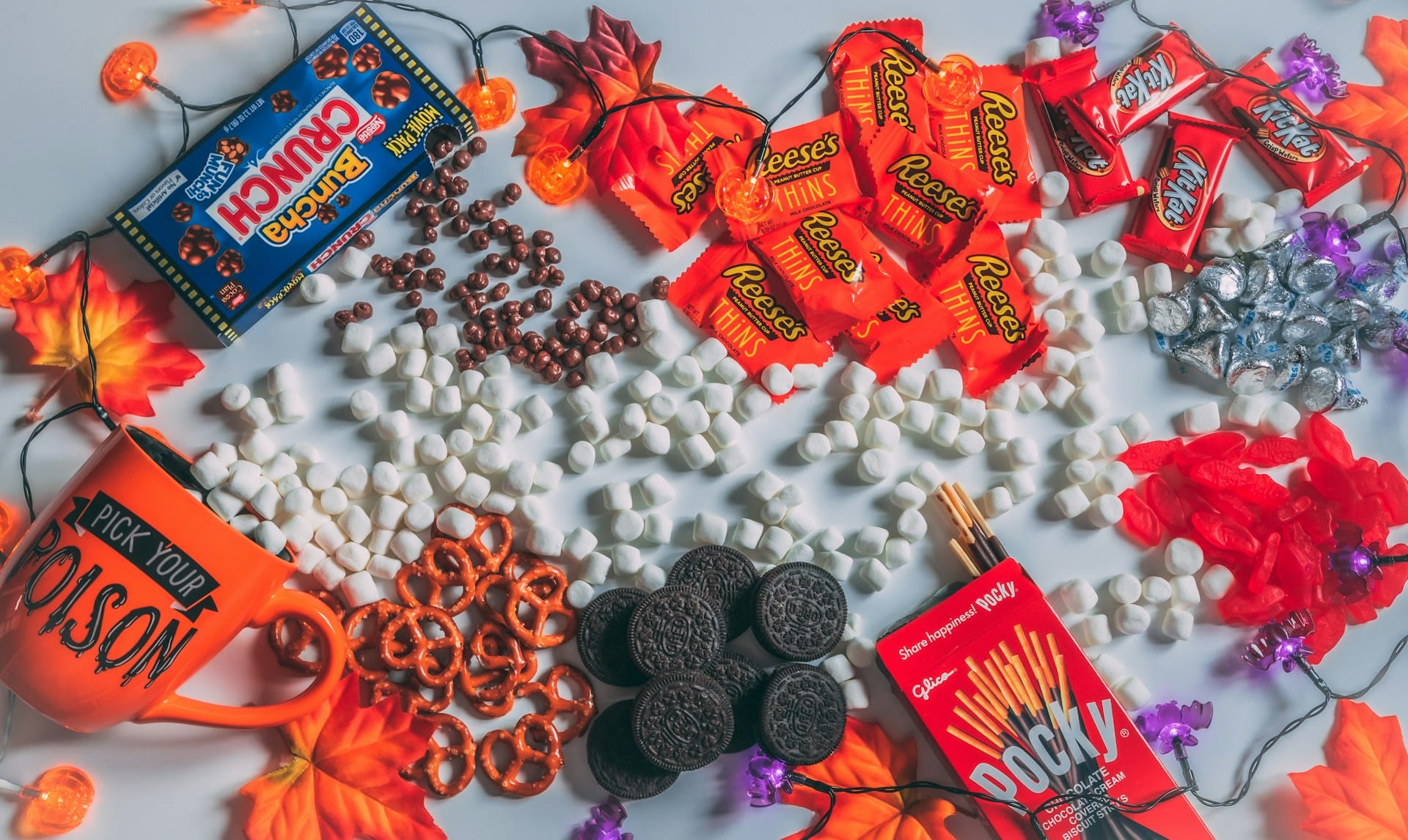
For centuries, Halloween remained a localized, folk-driven evening of community gatherings, storytelling, and regional treats across Ireland and Scotland. That changed dramatically during the mid-19th century. Driven by the devastating Great Famine of the 1840s, over a million Irish immigrants crossed the Atlantic, bringing their folk customs, turnip-carving traditions, and guising rituals to North America.
In the sprawling, suburban neighborhood culture of post-WWII America during the 1950s, the holiday underwent a rapid transformation. What had once been a neighborhood-driven harvest gathering was seized upon by mass manufacturing:
- The Candy Explosion: Confectionery companies began mass-producing individually wrapped candies, replacing traditional apples, popcorn balls, and homemade baked goods with shelf-stable sugar.
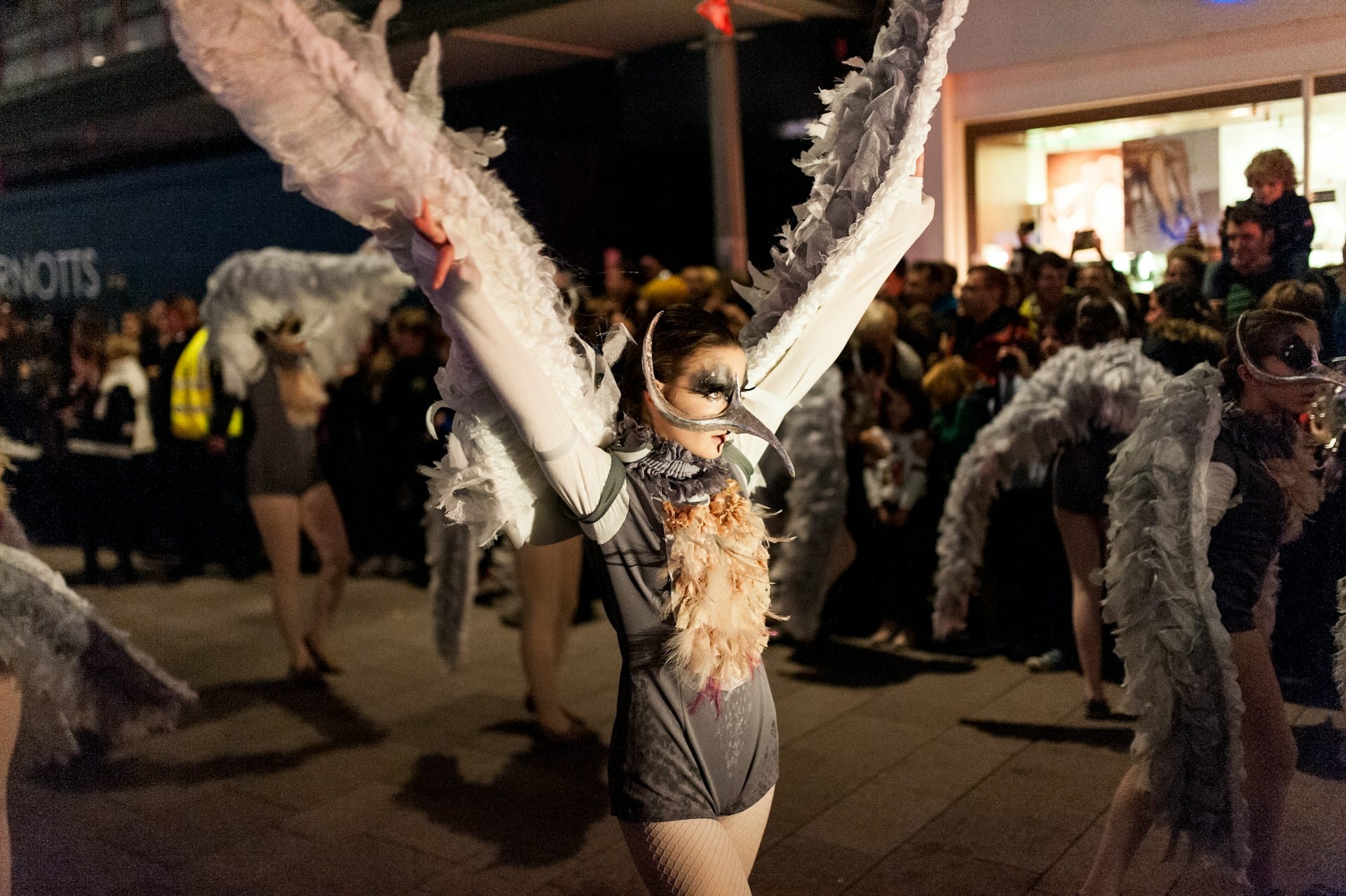
- Synthetic Costumes: Plastic masks and factory-made polyester costumes replaced handmade disguises.
- The Pumpkin Swap: Native American pumpkins, larger and far easier to carve than dense European turnips, permanently replaced the traditional "ghost turnip".
By the mid-20th century, Halloween had evolved from a sacred seasonal transition into a streamlined, commercial engine built around sugar, plastic, and pop culture.
The Boomerang Effect: Returning to Europe
By the late 1980s and 1990s, this Americanized, commercial version of Halloween boomeranged back across the Atlantic to mainland Europe and the UK. Fueled by Hollywood cinema, television, and corporate retail strategy, European stores began stocking plastic jack-o'-lanterns and costume aisles every October.
Ironically, Europe embraced a consumerist version of a holiday that had originated in its own ancient soil—forgetting that beneath the cheap plastic masks lay a rich heritage of seasonal gratitude, hearth-side storytelling, and real food.
Defining Real Halloween Food: Barmbrack and Colcannon
The traditional foods of Samhain were heavy with local nourishment, seasonal intelligence, and a touch of playful folklore.
Barmbrack (Bairín Breac)
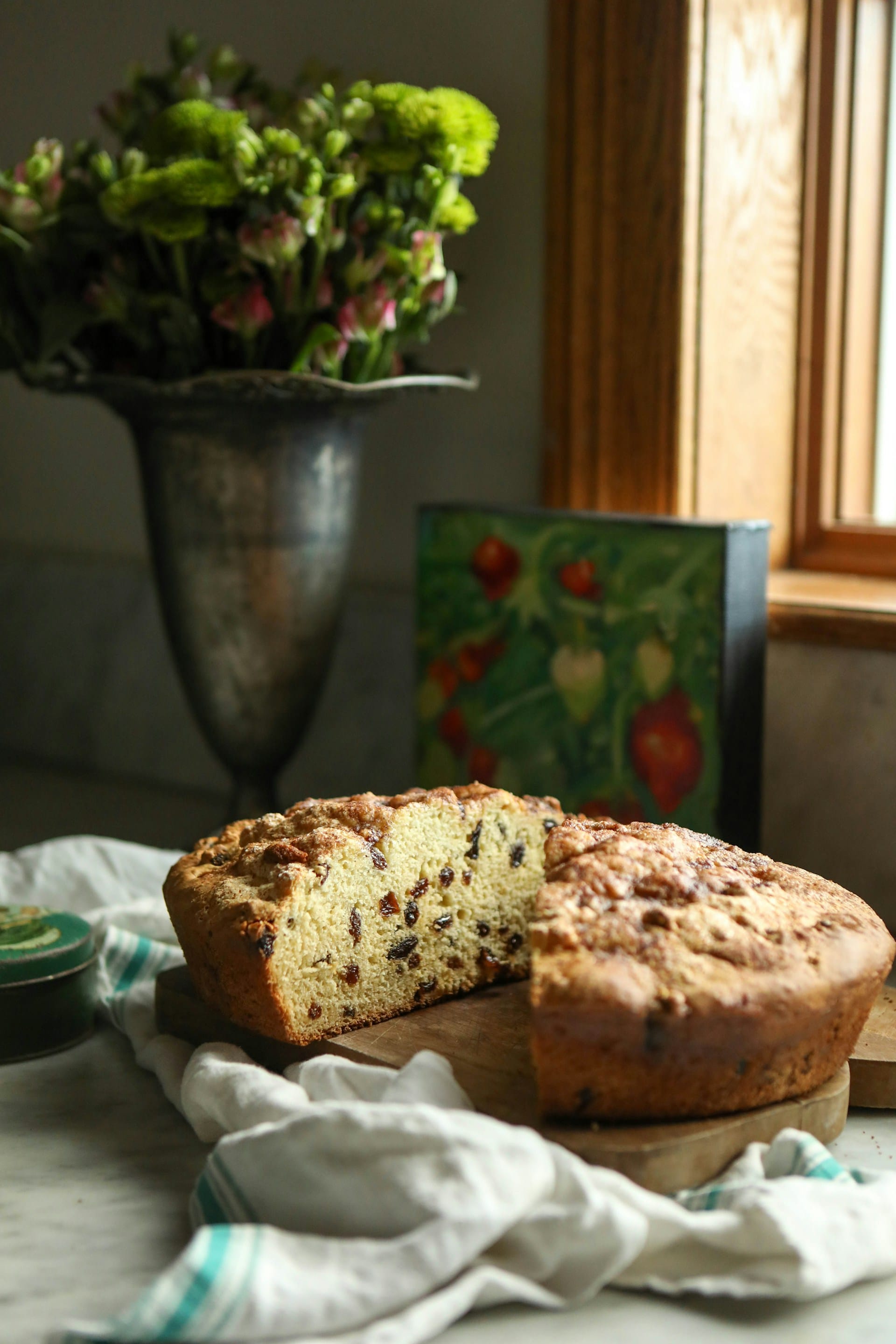
No ancient Irish autumn was complete without barmbrack, a traditional speckled fruit loaf (brack meaning "speckled" due to its heavy dusting of raisins, currants, and sultanas).
Beyond its rich, spiced flavor, barmbrack served as an ancient communal fortune-telling device. Families baked small tokens directly into the dough:
A ring: signified marriage within the year.
A coin: foretold wealth and good fortune.
A thimble or button: suggested an unmarried year ahead.
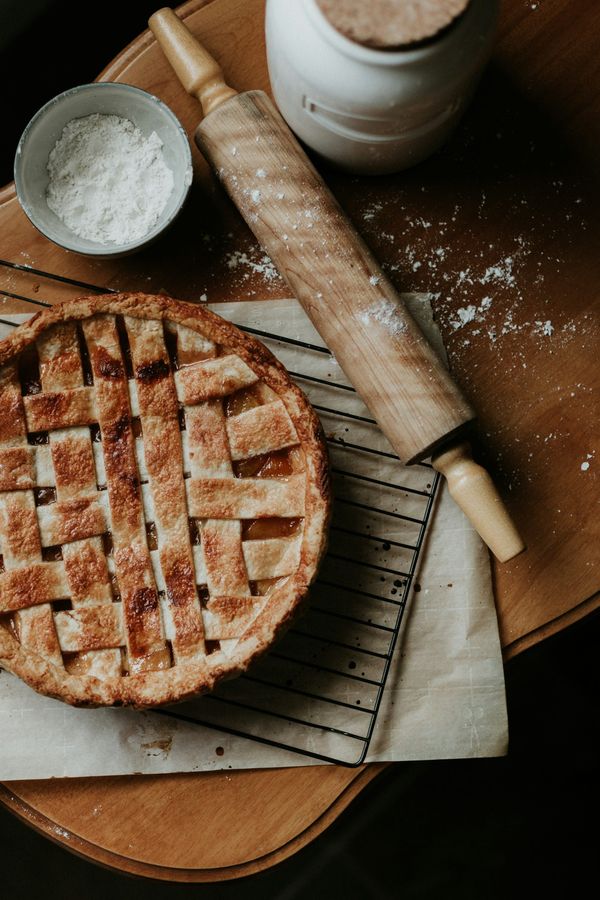
While modern commercial bakeries sometimes replicate the loaf around October, baking a traditional teabread or rich German fruit bread at home connects us to the same whole-food satisfaction our ancestors relied on—fueling the body with natural fruit sugars rather than refined commercial confectionery.
Colcannon (Cál Ceannann)
Long before potatoes became associated with comfort food simplicity, they were paired with seasonal brassicas in colcannon. This rich, grounding side dish mashes floury potatoes together with finely chopped kale or cabbage, enriched generously with farm-fresh milk and cultured butter.
Colcannon was a brilliant metabolic response to the cold. It combined the complex, slow-release starches of root vegetables with the dense micronutrients and fiber of dark leafy greens, offering steady, long-lasting warmth on freezing autumn nights.
From Carved Turnips to Apples on a String
The icons of modern Halloween—jack-o'-lanterns, trick-or-treating, and apple-bobbing—originated directly from these early Celtic customs, driven by what was physically available in the autumn landscape:
- The Original Ghost Turnips: Before Irish immigrants arrived in America and discovered native pumpkins, they carved scary, protective faces into turnips and root vegetables, placing them on windowsills to ward off mischievous spirits.
- Guising and Early Trick-or-Treating: Children dressed in disguises and traveled from hearth to hearth, performing poems or songs in exchange for edible harvest treats like apples, nuts, or small coins.
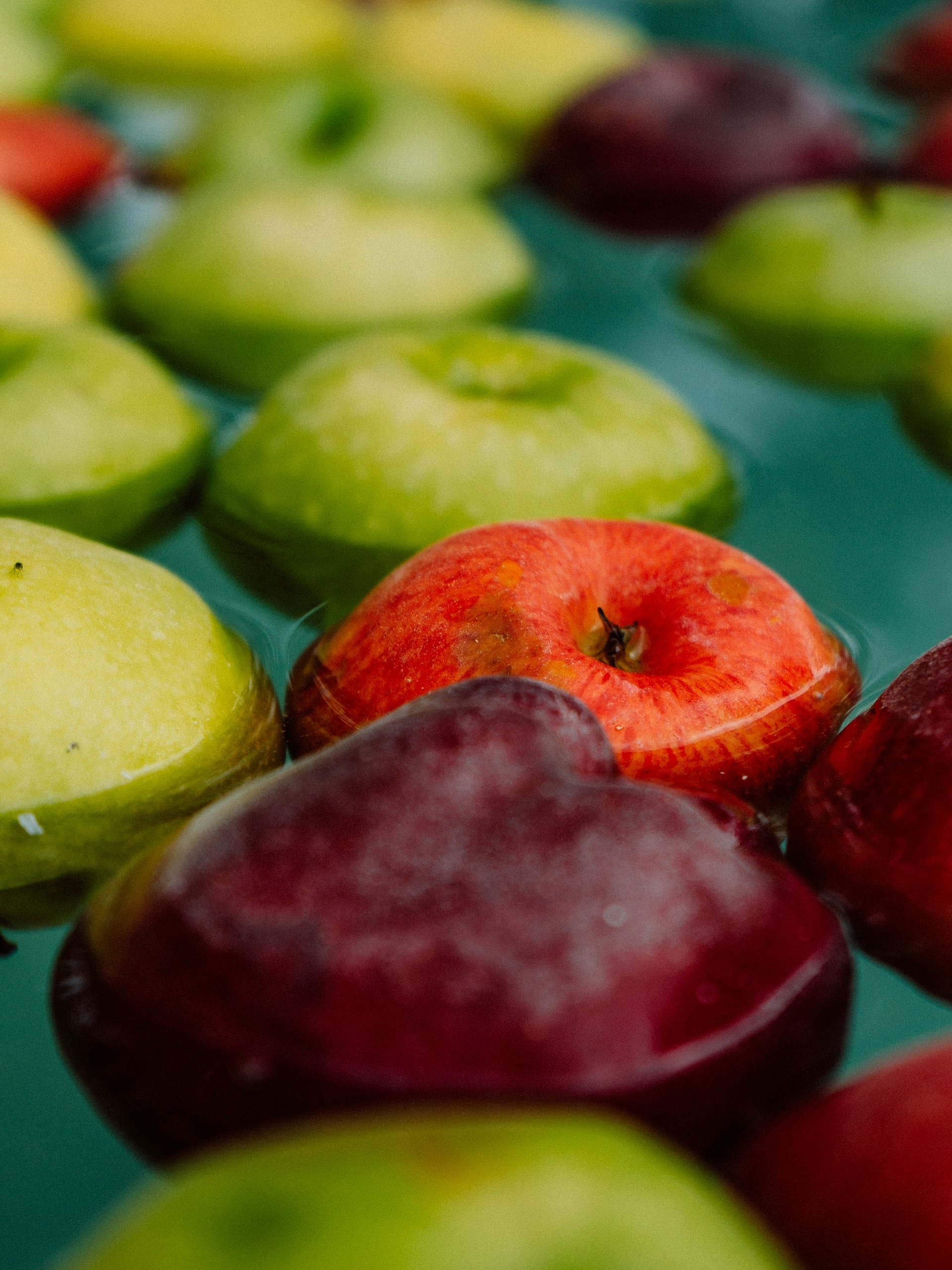
- Apple Games: Because orchards groaned under a surplus of late-summer fruit, apples were central to community gatherings. Games like apple bobbing and trying to catch suspended apples on a string were not just for play; winning a bite was historically believed to foretell who would marry first.
3 Ways to Celebrate a Traditional Halloween Today
If you want to strip away the synthetic noise of modern commercialism and reconnect with what truly matters during Samhain, you don't need a cart full of plastic decorations. You can anchor your celebration in the rhythm of the earth:
- Cook with Seasonal Roots and Greens: Honor the spirit of colcannon by preparing a deeply nourishing, fiber-rich potato and cabbage mash using local, seasonal root vegetables.
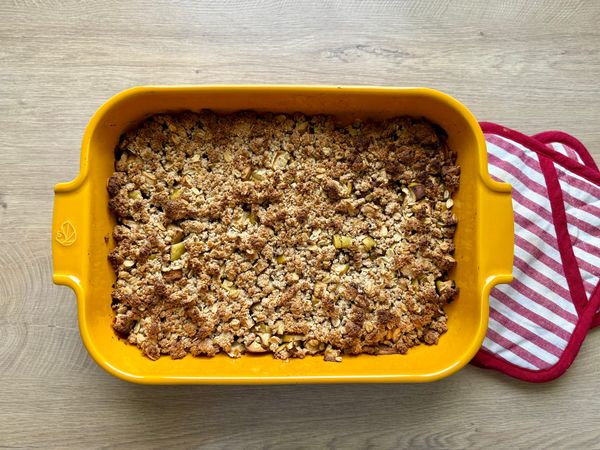
- Bake with Whole-Food Fruits: Swap processed candy for a traditional fruit-packed barmbrack or a warm, unpeeled apple crumble, letting natural fruit sweetness take center stage.
- Gather Around Simple Games and Stories: Bring family and friends together over warm cider or tea, play traditional apple games, and take a quiet moment to reflect on the passing of the seasons and honor those who came before us.
What Is Your Favorite Autumn Tradition?
Halloween reminds us that we are part of an ongoing natural cycle. By slowing down to appreciate the harvest, preparing hearty seasonal foods, and embracing our connection to history, we can turn a commercialized fright night back into a meaningful celebration of hearth and home.
Do you have a favorite autumn baking tradition, or do you like to keep historical harvest customs alive in your kitchen? Share your thoughts, memories, and seasonal recipes in the comments below!
Sources
English Heritage: A brief history of Halloween, All Saints' Day and All Souls' Day
National Geographic: Here's how trick-or-treating became a Halloween tradition
My Modern Met: The History of Halloween: Exploring Age-Old Origins of the Holiday
FoodUnfolded: Food traditions of Samhain: Halloween's ancient Irish origins