Autumn, Light, and Carbs: The Neurochemistry and Evolutionary Biology of Seasonal Cravings
Explore the neurochemistry and evolutionary biology behind autumn carb cravings. Learn why declining sunlight triggers serotonin changes and how to satisfy your appetite with whole foods.

When the calendar turns to late October and daylight dwindles, a subtle shift occurs across northern kitchens. The light crisp salads and raw summer fruits that satisfied us just weeks ago lose their appeal. Instead, our appetite gravitates toward warm bowls of pasta, golden potato purees, thick slices of sourdough, and sweet, baked fruit.
Modern diet culture routinely labels this phenomenon as a lack of willpower—a seasonal descent into mindless "comfort eating." Yet, when we look beneath the surface of these autumn cravings, we uncover a precise biological mechanism. Reaching for carbohydrates as the weather cools is neither a moral failing nor an accidental habit; it is a finely tuned neurochemical cascade, a physiological response to declining sunlight, and an ancestral survival instinct hardcoded into our biology.

The Neurochemical Shift: Photoperiod, Serotonin, and Tryptophan
To understand why our dietary desires change as autumn arrives, we must examine how the human brain responds to the changing photoperiod—the duration of daily sunlight exposure.
- The Sunlight-Serotonin Connection: Inside the brain, visual exposure to bright natural light acts as a primary regulator for serotonin, a crucial neurotransmitter responsible for mood stability, calm focus, and sensory contentment. As days shorten and light intensity drops, central serotonin production decreases, creating a subtle sense of seasonal fatigue.
- Insulin and Amino Acid Competition: When you consume carbohydrates, the pancreas releases insulin. Insulin encourages muscle tissue to absorb most large neutral amino acids from the bloodstream, with one major exception: tryptophan.
- Crossing the Blood-Brain Barrier: With competing amino acids cleared from circulation, tryptophan enjoys an unobstructed pathway across the blood-brain barrier, converting directly into 5-HTP and synthesizing into serotonin.
When you crave a warm bowl of oats or roasted root vegetables on a dim autumn afternoon, your nervous system is simply utilizing food to restore its neurochemical equilibrium.
Ancestral Biology: Energy Storage and the Harvest Feast
This neurochemical drive is amplified by an evolutionary blueprint. For over 99% of human history, winter meant severe calorie scarcity, cold stress, and a dramatic drop in forageable food.
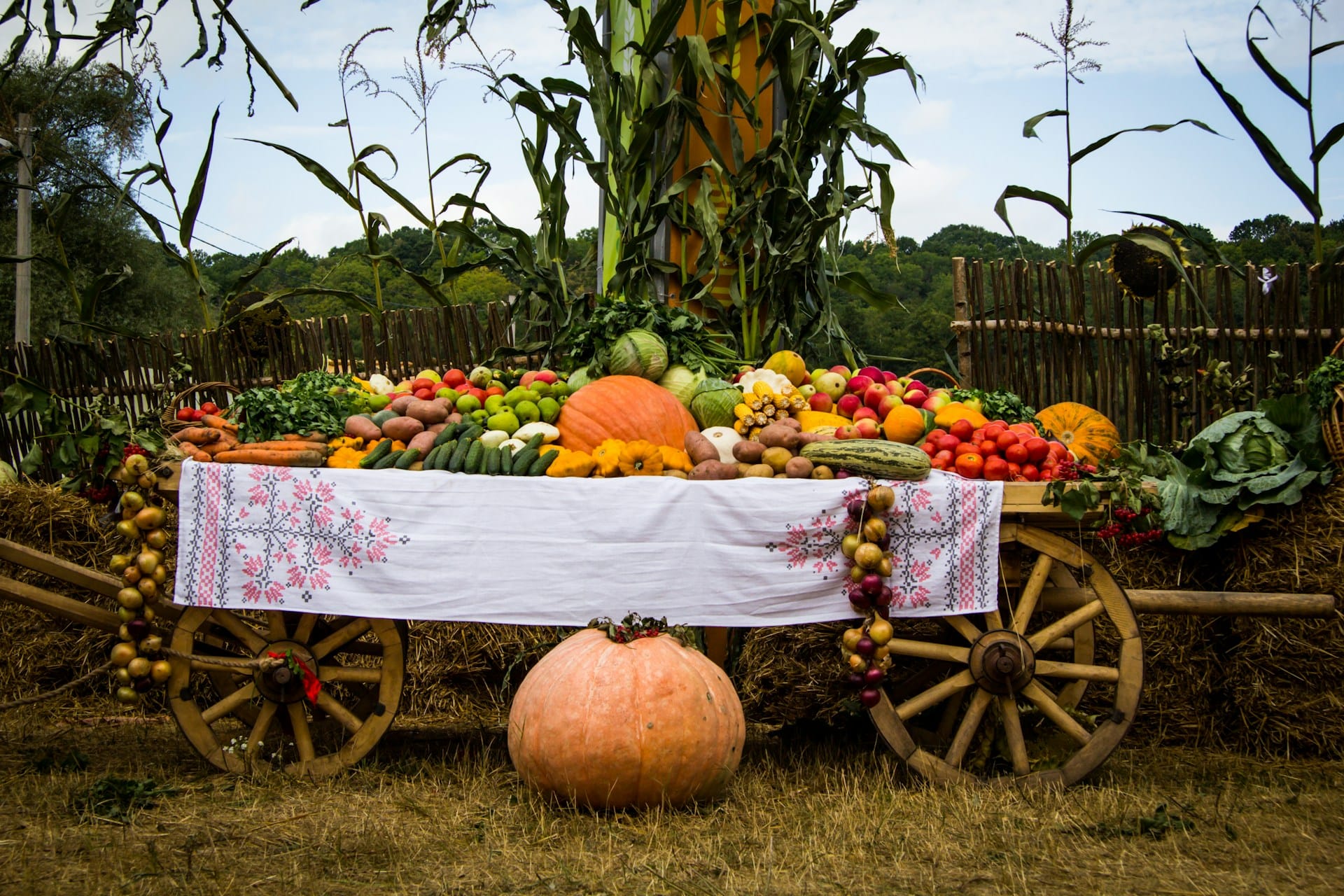
In temperate regions, autumn was nature’s window of natural abundance—the time when fruits, wild nuts, grains, and root crops matured simultaneously. Ancestral populations that possessed a strong biological drive to consume late-harvest carbohydrates stored glycogen efficiently and gained a protective layer of adipose tissue to endure freezing months. Archaeological research shows that communal harvest feasts date back at least 12,000 years, serving as an evolutionary mechanism to convert seasonal agricultural surplus into metabolic resilience.

Global Perspectives: Is Seasonal Craving Universal?
The expression of seasonal cravings depends entirely on how internal circadian rhythms interact with geography, climate, and latitude:
- Temperate Regions (4 Distinct Seasons): In northern latitudes, carbohydrate cravings operate on two fronts: restoring the light-dependent serotonin drop and supplying immediate glucose for thermogenesis (body heat production).
- The Mediterranean & Subtropics: Daylight changes are less severe, and winter temperatures remain moderate. The metabolic drive shifts naturally from raw, hydrating summer foods to slow-cooked, grounding harvest staples like sweet winter squashes, chestnuts, and legumes that support digestion as evening humidity returns.
- Equatorial & Tropical Climates: Near the equator, where daylight remains close to 12 hours year-round, "autumn carb cravings" driven by sunlight deprivation do not exist. Metabolic needs follow wet and dry harvest cycles (such as plantains, cassava, or yams) rather than thermal cold stress.
The Modern Dilemma: Refined Sugar vs. Complex Matrices
While our ancestral drive to seek out carbohydrates is natural, our modern food environment creates a distinct challenge. In ancient times, autumn carbohydrates came packaged in nutrient-dense whole foods that provided complex fiber matrices, organic acids, and trace minerals for sustained glucose release.
Today, the ultra-processed food industry exploits this natural drive using refined white flours and high-fructose syrups. Consumed without fiber or healthy fats, these simple sugars cause rapid blood glucose spikes followed by aggressive insulin crashes, triggering ghrelin release and continuous overeating.
4 Practical Rituals for Autumn Nourishment
Instead of fighting seasonal cravings, work with your biology by choosing complex, slow-burning carbohydrates paired with healthy fats and proteins:
- Anchor Meals with Root Vegetables & Whole Grains: Swap refined starches for seasonal root vegetables (sweet potatoes, parsnips, beets) and intact grains (whole oats, barley, quinoa) that deliver prebiotic beta-glucans.
- Pair Carbs with Tryptophan & Healthy Fats: Combine complex carbohydrates with tryptophan sources (pasture-raised eggs, seeds, cultured dairy) and healthy fats (walnuts, extra virgin olive oil) to stabilize blood sugar and support serotonin synthesis.
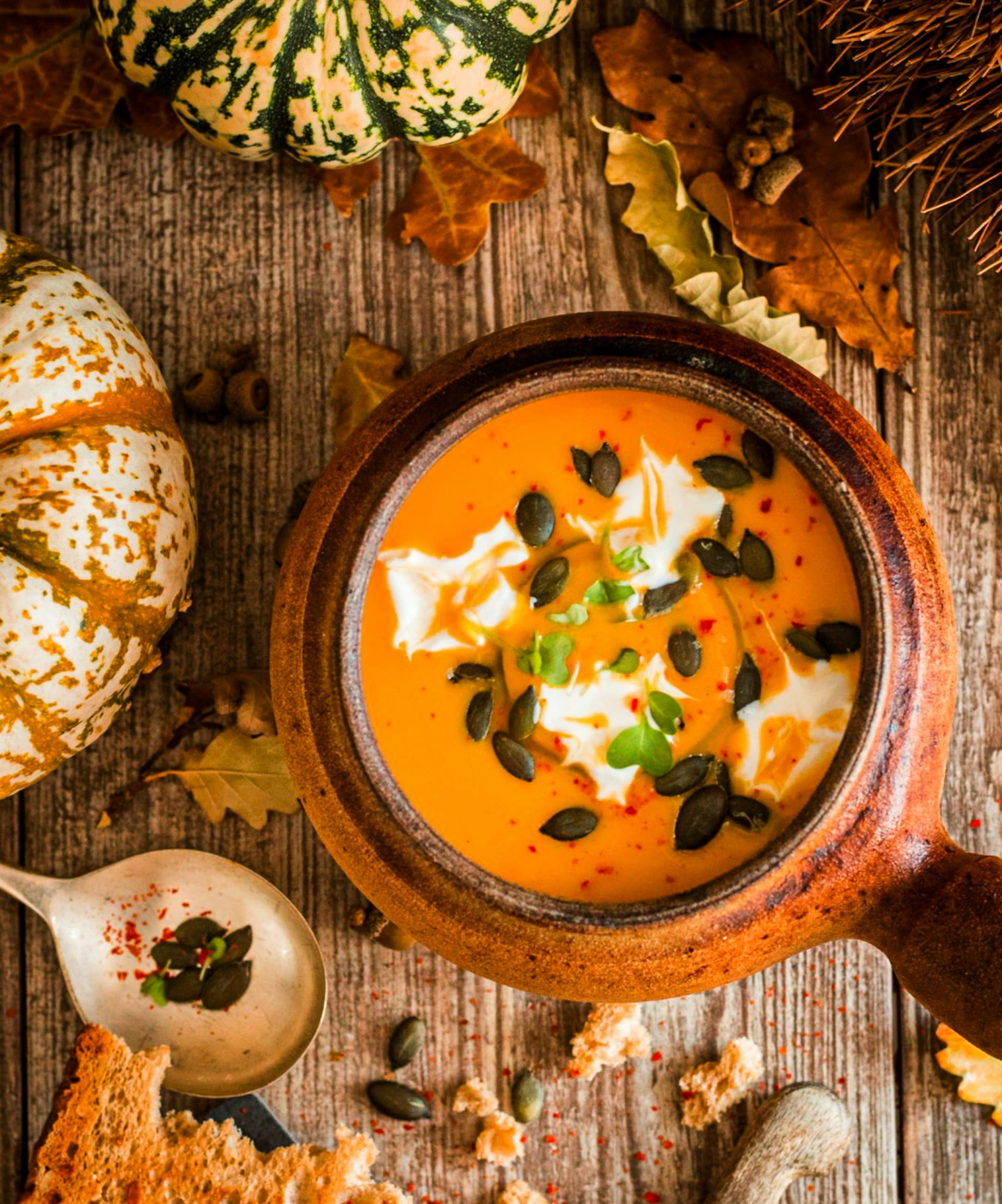
Functional Pairing Idea: A bowl of warm, whole-grain oats simmered with chia seeds, topped with a spoonful of full-fat Greek yogurt or German Quark, toasted walnuts, and sliced garden apples.
- Optimize Daylight Exposure: Step outside for 15 to 20 minutes shortly after waking to regulate your circadian rhythm, support natural serotonin production, and reduce evening carb cravings. Use a light therapy lamp if morning sunlight is unavailable.
- Embrace Warming Mineral Broths & Spices: Incorporate bone broths, herbal teas, and warming spices (Ceylon cinnamon, ginger, cardamom) that provide bioactive polyphenols supporting healthy insulin sensitivity.
By stepping away from processed simple sugars and honoring your body with complex whole foods, seasonal root vegetables, and bright morning light, you can satisfy your biological needs while maintaining steady energy, gut health, and mood all winter long.
Listening to the Wisdom of the Seasons
Feeling hungrier and desiring heartier meals as autumn arrives is not a flaw in your habits—it is a connection to the natural world.
By stepping away from processed simple sugars and honoring your body with complex whole grains, seasonal root vegetables, healthy fats, and bright morning light, you can satisfy your body's seasonal needs while maintaining steady energy, gut health, and mood all winter long.
What are your go-to autumn comfort foods? Do you notice a shift in your appetite as the days grow shorter? Share your thoughts and seasonal recipes in the comments below!
Sources
Canadian Journal of Applied Sciences: Seasonal Changes Effects on the Serotonin and Melatonin Transmission
FoodUnfolded: Why carb cravings rise in autumn and how to stay satisfied
Human Relations Area Files (Yale University): Craving Comfort: Bonding with Food Across Cultures
Springer / Clinical Research: Serotonin Implicated in the Etiology of Seasonal Affective Disorder with Carbohydrate Craving