The Table as a Sanctuary: The Cultural Wisdom and Neuroscience of Shared Meals
Discover the neuroscience and cultural wisdom behind communal eating. Learn how sharing simple meals boosts mood, improves digestion, and staves off winter loneliness.
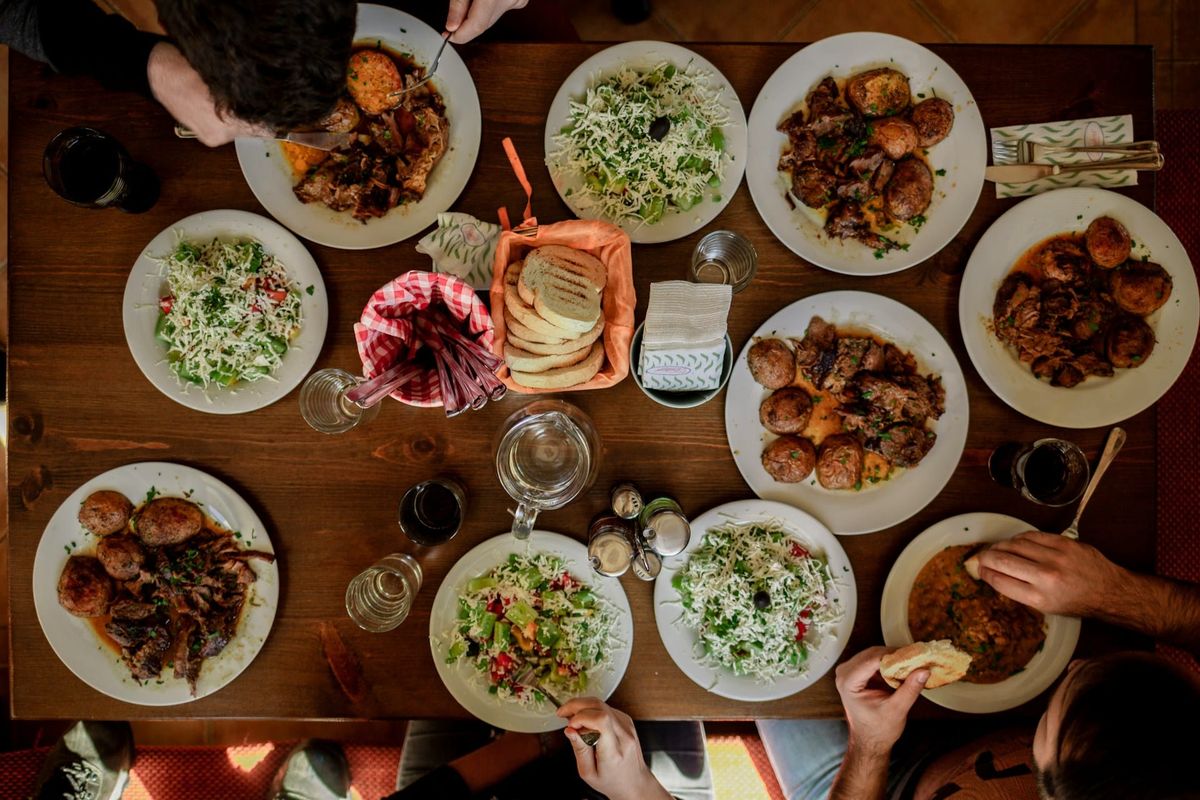
When we observe a wooden dining table sitting at the center of a home, we are looking at far more than a piece of furniture. We are looking at vital health infrastructure—and one of the most underutilized wellness tools in the modern world.
Revered across ancient civilizations as the sacred anchor of human community, the act of sitting down to eat with others today occupies a strange, contradictory double life. On one hand, mealtime is romanticized in holiday media and lifestyle blogs as an idyllic moment of connection; on the other, it is systematically eroded by the demands of modern hyper-individualism, screen-bound multi-tasking, and the rapid rise of solo, on-the-go fuel intake.
To understand the true health potential of sitting down together—especially as the daylight recedes and the long dark hours of winter set in—we have to look past the superficial aesthetic of a fancy dinner party. We must explore the evolutionary biology, human neurochemistry, and time-tested cultural rituals behind nature’s original, unrefined anti-loneliness remedy.
Deep Roots: History’s Original Social Glue
Humans did not evolve to eat in isolation. Long before the advent of agriculture or recorded history, early Hominins and Neanderthals were bound together by the biological imperative of shared food. Mathematical models of human evolution demonstrate that the survival of our species depended not just on the individual acquisition of calories, but on the cooperative sharing of those calories around a central fire. Butchery marks on prehistoric bone fragments even suggest that distinct ancestral groups developed localized preparation methods—ancient "family recipes" meant to be enjoyed collectively.
In ancient Rome, classical China, and indigenous societies across the Americas, the communal feast was never viewed as a luxury; it was the foundation of civic trust, peace-making, and social cohesion.
Why has communal eating retained its evolutionary imprint across tens of thousands of years while other primitive habits vanished?
Beyond satisfying basic metabolic hunger, eating in company triggers a complex biological cascade. A person sitting down to a rustic pot of stew with family or colleagues thousands of years ago experienced fundamentally the same neurochemical release—endorphins, oxytocin, and vagal nerve tone regulation—that you experience at a welcoming table today.
Modern Breakdown: The Isolation Epidemic
Under modern societal shifts following the Industrial Revolution and the mid-20th-century rise of convenience foods (from TV dinners to desk-bound meal replacement shakes), eating has been progressively uncoupled from social interaction.
The Rise of the Solo Diner
Today, nearly one-third of European adults report eating every single meal alone. In busy urban centers, meals are frequently treated as a minor biological inconvenience—something to be executed quickly while scrolling through a smartphone, driving, or working through lunch breaks.
The Health Cost of Eating Alone
While deliberate solo dining (such as Japan’s practice of hitori-gohan) can occasionally offer a peaceful moment of personal reflection, chronic, involuntary solo eating carries a distinct metabolic and psychological tax:
- The Depressive Correlation: Clinical research highlights that adults who live in shared households but consistently eat their meals in isolation show significantly higher rates of depressive symptoms and emotional distress than those who share table time.
- Digestive and Metabolic Strain: When we eat alone while stressed, rushed, or distracted by screens, our autonomic nervous system remains locked in a sympathetic ("fight or flight") state. Gastric motility slows, digestive enzyme secretion drops, and nutrient absorption is compromised compared to when we eat in a relaxed, socially engaged parasympathetic ("rest and digest") state.
The Neurochemistry of the Dark Months: Why Winter Demands the Table
As autumn shifts into winter, the reduction in daylight triggers a well-documented drop in central brain serotonin levels, often driving seasonal lethargy, low mood, and isolation. It is precisely during these dark hours of the year that socializing around food becomes a non-negotiable biological necessity.
The Endorphin and Oxytocin Cascade
When we break bread with others, two distinct neurological mechanisms wake up:
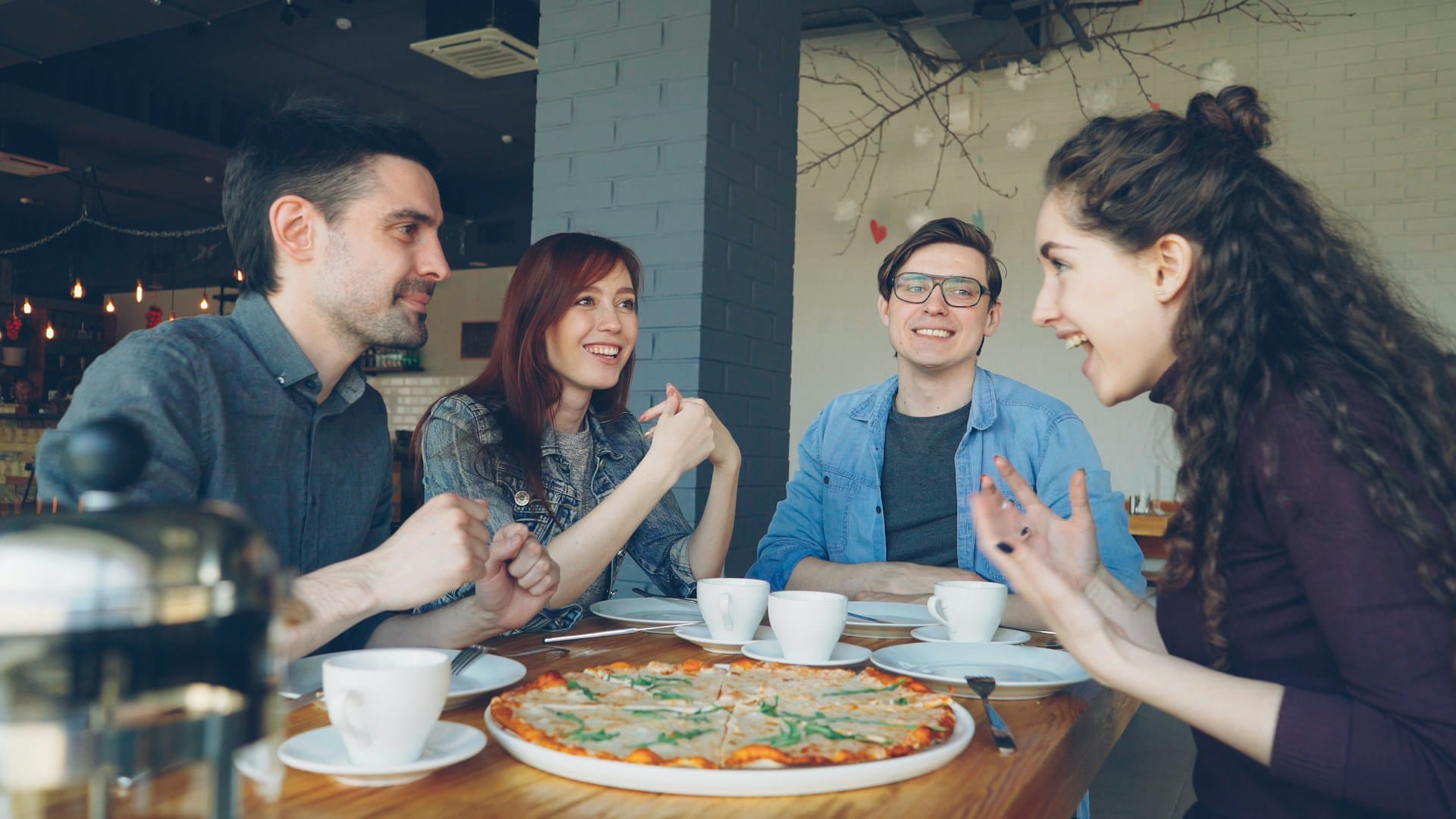
- Endorphin Release via Laughter and Conversation: Evolutionary psychologist Robin Dunbar’s research reveals that the rhythmic, synchronized behaviors associated with communal eating—passing dishes, laughing, telling stories, and sharing visual eye contact—stimulate the brain’s endogenous opioid system. This endorphin release boosts mood and elevates our pain threshold.
- Oxytocin and Vagal Suppression of Stress: Safe social interaction at the table stimulates oxytocin release while calming the amygdala. This downregulates cortisol (the primary stress hormone), allowing the body to relax and digest efficiently.
You Don't Need a Feast: The Power of Low-Stakes Cultural Rituals
One of the greatest misconceptions of modern entertaining is that gathering around food requires an elaborate holiday, an expensive multi-course menu, or days of exhausting preparation.
Traditional food cultures have long understood that the magic of the table lies in frequency, predictability, and simplicity, not luxury.
The Sunday Family Lunch (Pranzo della Domenica)
In Italy and across the Mediterranean, the Sunday lunch is an unshakeable weekly ritual. Generations gather around a table for hours. The food itself is often simple—a slow-simmered ragù, hearty seasonal vegetables, or rustic bread—because the true dish being served is continuity, ancestral belonging, and undivided attention.
Germany’s Weekly Stammtisch
In German food culture, a Stammtisch is a dedicated, recurring table reserved in a local pub or Gasthaus for a regular group of friends, neighbors, or colleagues. It requires no formal invitation, no host stress, and no special occasion. It is an open, predictable sanctuary of belonging where people gather weekly over simple food and a drink to debate, laugh, and decompress.
The Greek Meze Philosophy
In Greece, the meze style of eating revolves around small, simple plates—olives, warm beans, a bit of feta, or toasted bread—placed in the center of the table for everyone to pick at together. The explicit goal of meze is not to overfill oneself individually, but to extend the duration of the conversation and keep people anchored together at the table.
4 Simple Ways to Cultivate a Gathering Culture
To reclaim the physical and mental health benefits of shared meals this winter, we must lower the barrier to entry. You do not need a pristine home or a chef’s skill to build a culture of belonging:
1. Establish a Non-Negotiable Anchor Meal
Commit to sharing just one meal a week with family, flatmates, or friends—whether that is a fixed Sunday lunch at 13:00 or a Tuesday evening soup night. Setting a predictable, recurring time ensures mealtimes do not get squeezed out by competing schedules.
2. Share the Mental and Culinary Load
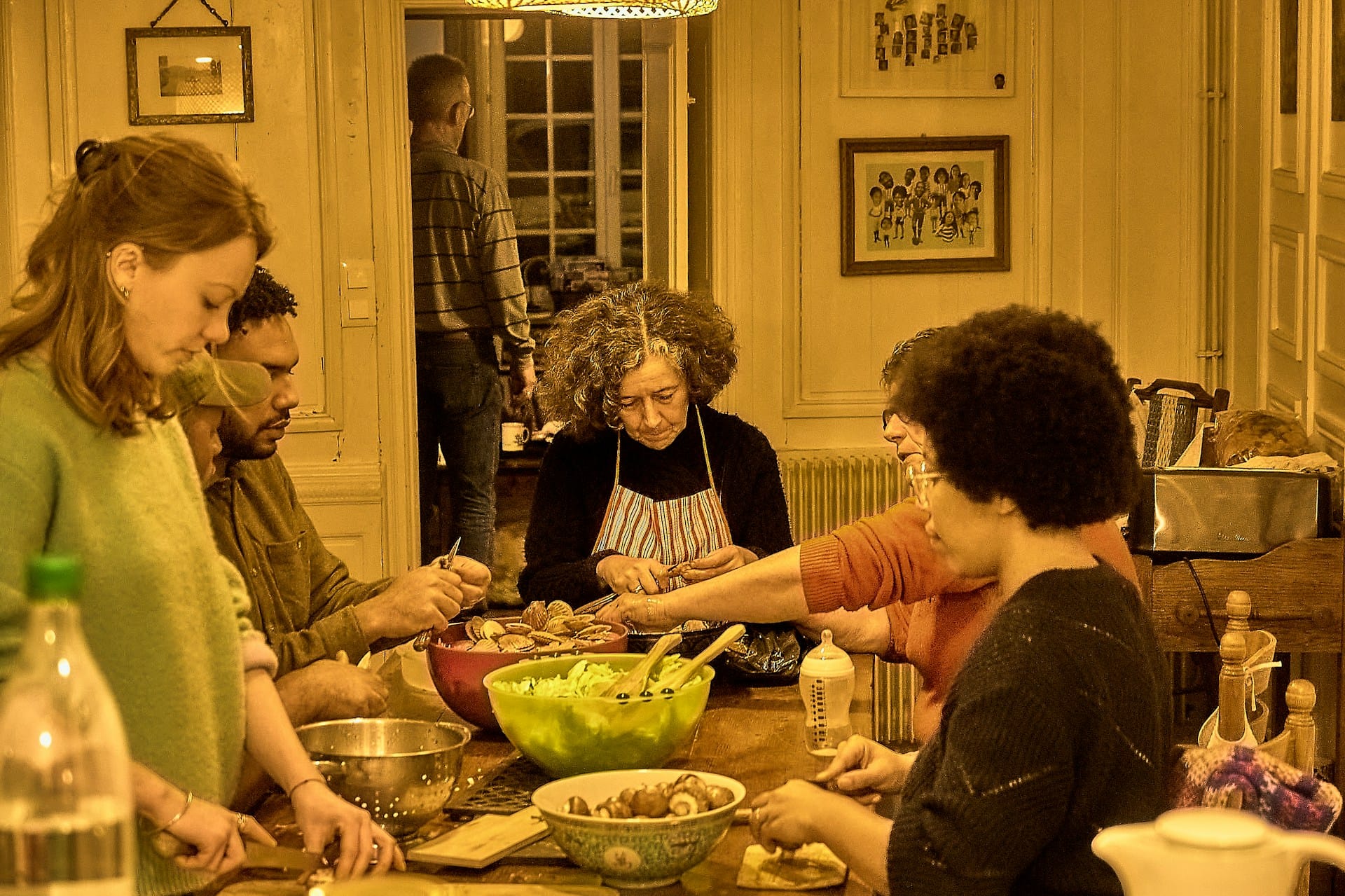
Never bear the burden of hosting alone. Adopt a potluck or "bring one element" mindset: the host provides a simple base (like a big pot of lentil stew, grain bowl base, or roasted root vegetables), while guests bring a side salad, fruit, or dessert. Or, enjoy cooking a meal together: everyone brings ingredients, and they you spontaneously make a meal out of what's available.
3. Implement the Screen-Free Sanctuary Rule
Keep smartphones, tablets, and televisions away from the table. Clinical trials show that removing screens dramatically improves conversation flow, deepens emotional satiety, and prevents mindless overeating.
4. Create an Open Chair Policy
Incorporate the ancient spirit of hospitality by occasionally extending an invitation to someone who might otherwise eat alone—an elderly neighbor, a colleague living away from family, or a friend going through a quiet season. Adding one extra seat transforms a simple meal into an act of community care.
What Is Your Favorite Way to Share a Table?
As the winter dark settles in, remember that sitting down with others is far more than just a pleasant social luxury—it is a foundational pillar of human health, emotional resilience, and gut function. You do not need a grand holiday or a gourmet feast to open your home; a simple pot of soup, a loaf of good bread, and an open chair are more than enough to light up the dark.
Do you have a weekly meal ritual like a Sunday family lunch or a regular gathering with friends? How do you keep mealtimes meaningful in your home? Share your favorite table traditions in the comments below!