Why Ultra-Processed Food is Winning the Race Against Real Food
How industrial food engineering rewired our sensory expectations—and how returning to unadulterated whole ingredients restores natural flavor wisdom to your table.
Dedicated to Flavor—who sometimes feels lost, distant, and forgotten in a world of engineered noise.
The Silent Loss on Our Plates
If you step back and look at a modern dinner table compared to one from a century ago, there isn't just one alarming contrast between a meal made from scratch and an engineered snack—there are many.
Ultra-processed snacks are usually packed with calories, but they have virtually no real nutrients to go along with them. Produce has taken on an unatural ripeness - so evenly colored, that it couldn't have ever been kissed by the sun. But the most alarming casualty of all—and the heart of this note—is that flavor and consistency have taken a hiatus.
The deep, complex flavors and rich aromas of natural foods have been engineered right out of our food supply to make crops reach us more easily over long distances, sit on shelves longer, and survive transport. But reaching us easily doesn't mean they nourish us like they should.
Defining Real Food vs. Ultra-Processed Foods
Scientific bodies and international organizations have established clear standards to define when something is unprocessed, low-processed, highly processed, or ultra-processed. To truly understand these definitions, we have to realize that "processing" simply means something has been done to a food to make it safer or easier to eat.
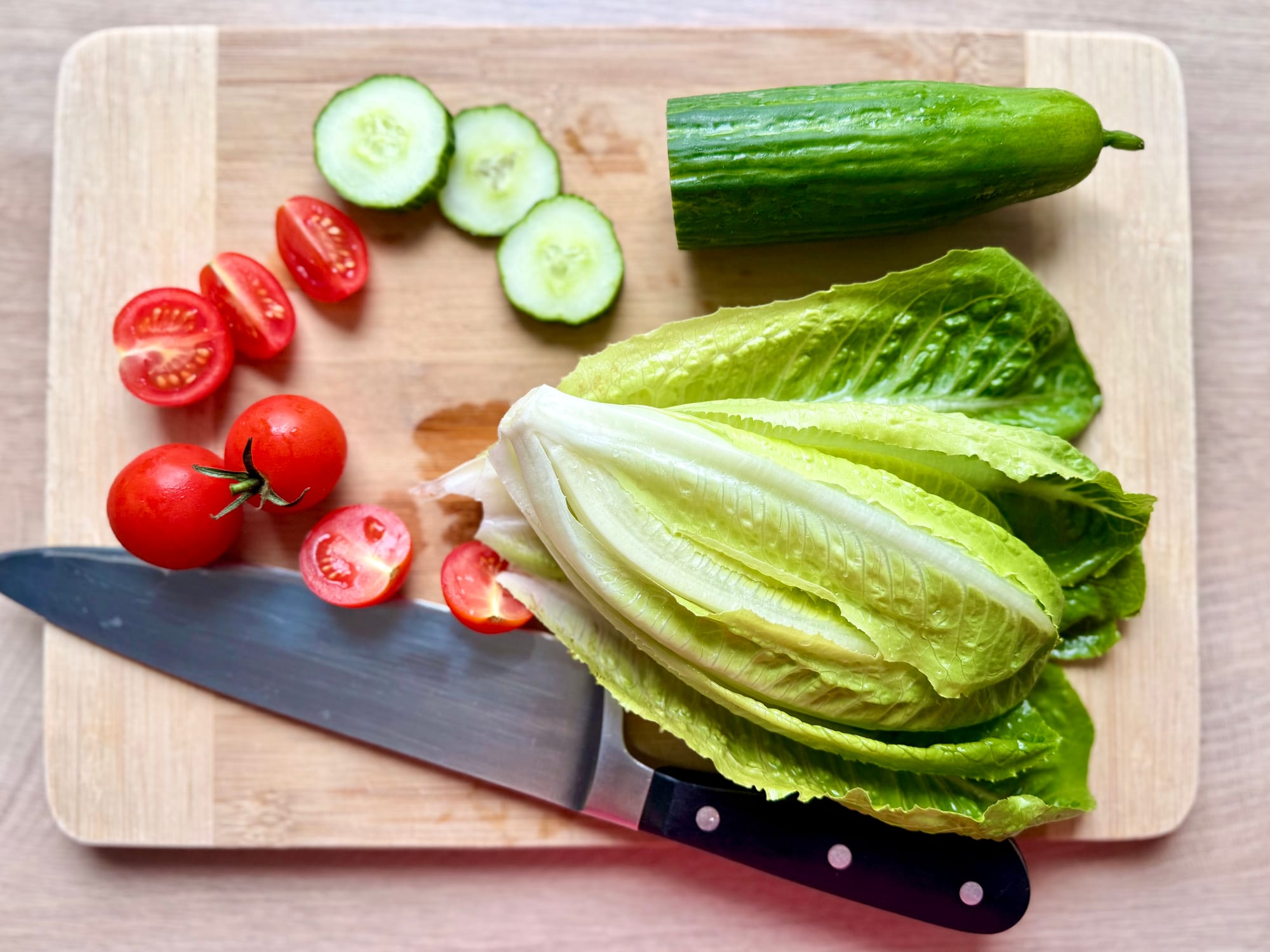
- Unprocessed / Whole Foods: Some foods require virtually no processing at all. Think of a crisp cucumber, a cherry straight from the tree, or corn on the cob still wrapped in its husk.
- Low-Processed Foods: Other foods require minimal processing just for us to have safe access to them—like boiling an egg or removing rice from its chaff and beans out of their pods. At this stage in a store, a food would carry a clean ingredient label, even if that label lists only one single ingredient: brown rice or lentils.
- Processed / Cooked Foods: When we take those low-processed ingredients into our kitchens to peel, chop, sauté, and cook them, we have processed them further. This simply means we did a series of culinary steps so we can eat them—this even goes for canned foods with all-natural ingredients.
- Ultra-Processed Foods (UPFs): The line of demarcation is drawn when the list of ingredients on the packaging is dotted with products you can't find for sale on our grocery store shelves: mono- and diglycerides, phosphates, preservatives, aromas (yes, even natural aromas), and synthetic food colorings.
The question that we're just not asking often enough is why we need these industrial chemical additions in our food in the first place.
These additives exist to help foods be more shelf-stable, turn products with a low-quality mouthfeel into something acceptable, or make foods hold more water so they taste deceptively "juicy" as they age when they would naturally dry out. To be completely honest, I don't blame anyone for reaching for a peach-flavored candy instead of a fresh peach at the grocery store. It's completely normal not to want flavorless food—because, deep down, flavor tells our brain we've hit the nutrition jackpot.
The Physiology of Taste: Where Flavor Meets Wisdom
I'm not going to go into too much detail on taste buds—I think the majority of us learned this back in school. But for those of you who were daydreaming in science class: taste buds are receptors that link our tongue directly to our brain. They look like tiny bumps that come in different sizes all over the top of our tongue, and they tell our brain in a very simple way what is coming into our body:
- Salt tells us that critical electrolytes are coming that are necessary for cellular fluid balance.
- Sweetness tells us that carbohydrates are coming, and our brain sends out insulin to sweep up those sugars (which gets complicated when we consume artificial/zero-calorie sweeteners).
- Umami tells our body that it's going to get a boost of protein so it can repair its cell walls and build muscles.
- Bitterness & Acidity warn our body of danger. Traditionally, these flavors were associated with poisonous plants or spoiled foods that could harm us. As humans evolved over millennia, we learned how to consume small dosages of bitter and acidic foods as natural medicines and to aid digestion and augment flavor.
To get to true flavor, we have to add in the olfactory signals—the smells picked up in our nose and throat that are sent as rich messages to our brain.
Throughout evolution, our body runs a complex biological script every time food makes contact with our tongues. It calculates: Is it safe? Does it have nutrients in it? Does it have energy? Do we have a memory associated with it? After foraging 20-40 km a day, having access to foods that gave our body what it needed could be the difference between survigin (or not) and thriving.
We also have a huge nerve in our body—the vagus nerve—connecting our gut directly to our brain. It is basically a giant telephone pole that sends messages back and forth. Yes, even messages like "Send me chocolate!" are sent directly from our gut straight to our brain. In it's most basic form, a craving is our body's way of telling us to access the foods it needs to get the nutrients it associates with that food.
How Food Changed Flavor Over Time
Modern farming has brought us a long way, and I want to thank the small group of people out there farming to feed millions of us. We can't expect them to do that without modern tools and efficient systems.
Industrial farming started with good intentions—preventing famine and feeding growing populations (which is still on the adgenda today). But over the past century, the focus shifted to yield, shelf-life, visual uniformity, and transport resistance. What started as a good intention evolved into something a farmer 100 years ago wouldn't recognize.
As crops were bred to grow faster, larger, and tougher for long-distance shipping, their inherent nutrients and flavors got diluted.
Heavy synthetic chemicals used to scare away pests and weeds bind the vitamins and minerals in plants and hold them hostage. They do this in the fruit, the plant, and the soil itself—withering the soil microbiome until no earthworms are wiggling around (which is a sign of good soild health). A mass-produced tomato often carries only a fraction of the natural aromatics found in heirloom varieties grown in living soil. When you eat that mass-produced tomato, residual chemicals continue to bind minerals in your body, leaving you with less nourishment too.
If a plant lacks essential nutrients, how can we expect it to have flavor? In German, we call this a Milchmädchenrechnung—a naive calculation built on flawed premises.
As real ingredients lost their depth, industrial food producers stepped in to fill the "flavor gap." Instead of restoring soil health or letting produce ripen on the vine, they rely on chemical flavorings, refined fats, added sugars, and high salt. This satisfies our taste buds in the short run—at least until long-term health problems like high blood pressure, heart attacks, and metabolic issues show up down the road.
Food Psychology & the Rewired Palate
Ultra-processed foods win the race against real food because industrial producers have mastered what food psychologists call the "Bliss Point."
Real, natural foods have deep, subtle layers in their flavor profiles. Ultra-processed foods, by contrast, are just a heavy-handed punch of flavor. Although that punch is shallow, it hits our dopamine triggers precisely and feeds directly into addictive neurological pathways. Most all natural foods don't cause addictions.
Have you ever heard of anyone becoming compulsively addicted to fresh papaya?
While we as adults can usually decipher what ultra-processed foods will do to our bodies if we consume them regularly and in large amounts, children don't. Their flavor palates are still actively developing, and being exposed to hyper-palatable ultra-processed foods at a young age can directly lead to the shunning of whole, unadulterated foods entirely.
Reclaiming Real Flavor: Practical Tools for the Table
So, how do we bring deep, vibrant flavor back to our plates without relying on hyper-engineered ingredients?
It might surprise you, but the journey starts right where you live: home gardening.
If you have a garden, a small patio, or even a sunny windowsill, grow anything you can get your hands on. Don't know where to start? There are countless free resources available to guide you toward your very first homegrown, naturally flavorful harvest.
Beyond growing your own, here are four practical strategies to revive real flavor in your kitchen:
1. Source Thoughtfully (Even on a Budget)
Seek out organic or small-scale local farms whenever possible. While buying organic isn't always feasible for every household budget—and organic status doesn't automatically guarantee superior flavor—there are wonderful producers offering high-quality, flavorful food. This is especially true for pantry staples like heirloom flours, whole grains, and dried legumes, which form the bedrock of deeply satisfying meals.
2. Respect the Element of Time
To extract rich, intense notes from real food, we need two things: quality ingredients and time.
My husband, for instance, won't let a Bolognese sauce touch our dinner table unless it has simmered for at least three hours—a slow-food ritual strictly reserved for the weekends. While I have the culinary skills for long-form cooking, I personally prefer quick, healthy meals that don't keep me in the kitchen all evening. But when that slow-simmered sauce hits the table, everyone is thrilled. It operates on a completely different flavor plane.
Back when I was a stay-at-home mom, I had the space for time-intensive cooking daily. Today, like most of us living in the reality of busy schedules, I appreciate uncomplicated meals that come together quickly. Yet, understanding how time breaks down complex proteins and sugars allows us to manipulate even humble ingredients into something extraordinary.
3. Use the Science of Acid as a Flavor Enhancer
One of my favorite ways to "pimp" a dish quickly is by using acid. I used acid intuition-first for decades before I ever studied nutritional science, frequently adding fresh lemon juice or mustard to rich, fatty foods like fries or roasted meats. It tasted vibrant, but it also helped my body digest fats more comfortably.
During my university studies, the scientific mechanics behind this clicked into place. Lipids (fats) are composed of building blocks that include fatty acids. When we reach for an acid—like lemon juice, lime juice, or a raw vinegar—the acidic notes hit our taste receptors in a way that satisfies the brain's craving for rich, complex flavor profiles, even when overall dietary fat is kept low.
4. Reset Your Flavor Receptors
If you want to recalibrate your palate and rediscover the subtle sweetness of real food, you have two primary paths:
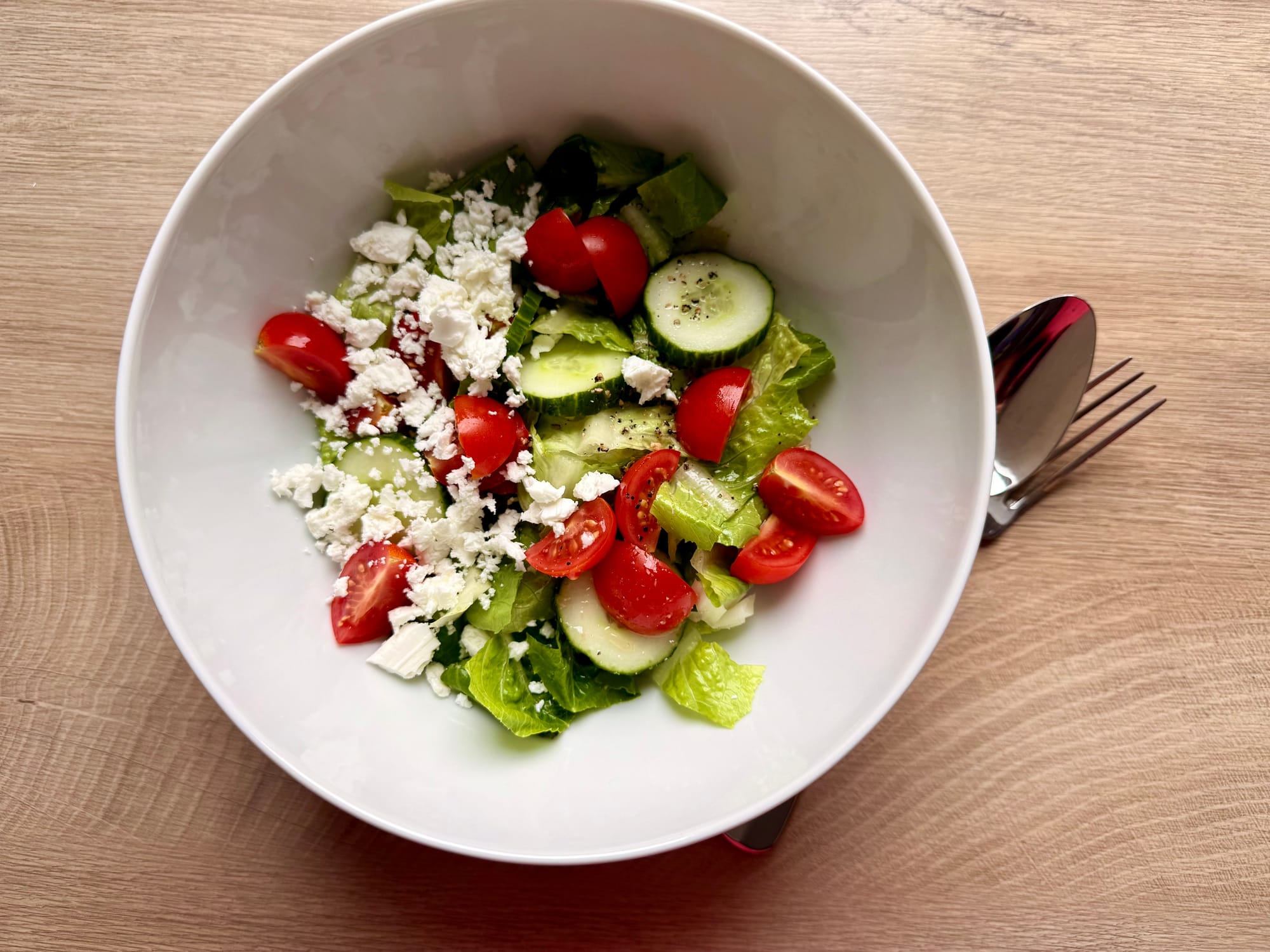
- Path 1: The Gradual Bridge (1–2 Years): Continuously introduce unadulterated whole foods alongside your regular meals. Add raw cherry tomatoes, fresh carrot sticks, or plain steamed rice seasoned simply with a pinch of salt. Over time, your brain rewires its sensory baseline, associating these clean foods with how good they make your body feel.
- Path 2: The 4-Week Reset (Fastest Method): Go cold turkey for 28 days to completely recalibrate your taste buds. For four weeks, eat only whole, unprocessed foods you prepare yourself, stepping away from added oils, breads & baked goods, dairy, refined sugars, alcohol, sauces, and carbonated beverages. Build a balanced plate of 1/2 vegetables and legumes, 1/4 complex carbohydrates like different pure whoe grains, and 1/4 lean protein, using small handfuls of raw nuts, seeds, or avocado for essential fats.
When you begin reintroducing quality olive oils, natural yogurts, and simple seasonings after four weeks, you will be amazed by how incredibly intense, sweet, and complex basic ingredients taste—and how little your body craves hyper-processed additives.
Bringing the Power Back to Your Table
As you sit down for your next meal, take a moment to reflect on what is in front of you. Where was this food grown? What region or climate does it represent? Did those potatoes travel across an ocean, or were they harvested from local soil?
We may not single-handedly transform the global industrial agricultural system overnight, but we hold immense power in our own hands and homes. We can give ourselves and our families the gift of genuine flavor by choosing plant-ripened produce, learning where our food comes from, and sharing the joy of growing things together.
My most cherished memory of this connection was watching the sheer delight on my younger son's face when he harvested his very first cucumber. It made such an impression on him that he created an entire stop-motion film about the experience.
Food has extraordinary power to connect us to the earth and to one another. If you want to start your own windowsill or garden journey, I always recommend planting his absolute favorite variety: the classic, crisp, and slightly sweet Marketmore 76 Cucumber.
Medical Disclaimer: Content on Field Notes on Earth & Food is for educational, informational, and storytelling purposes only. I am a nutritional science student and researcher, not a licensed medical doctor or registered dietitian. Always consult a qualified healthcare provider regarding specific medical conditions, therapeutic diets, or severe food allergies.