The Table of Gratitude: The History, Evolution, and Real Food Traditions of American Thanksgiving
Look past the hyper-processed, store-bought shortcuts and discover the true harvest history, regional evolution, and metabolic wisdom behind American Thanksgiving.
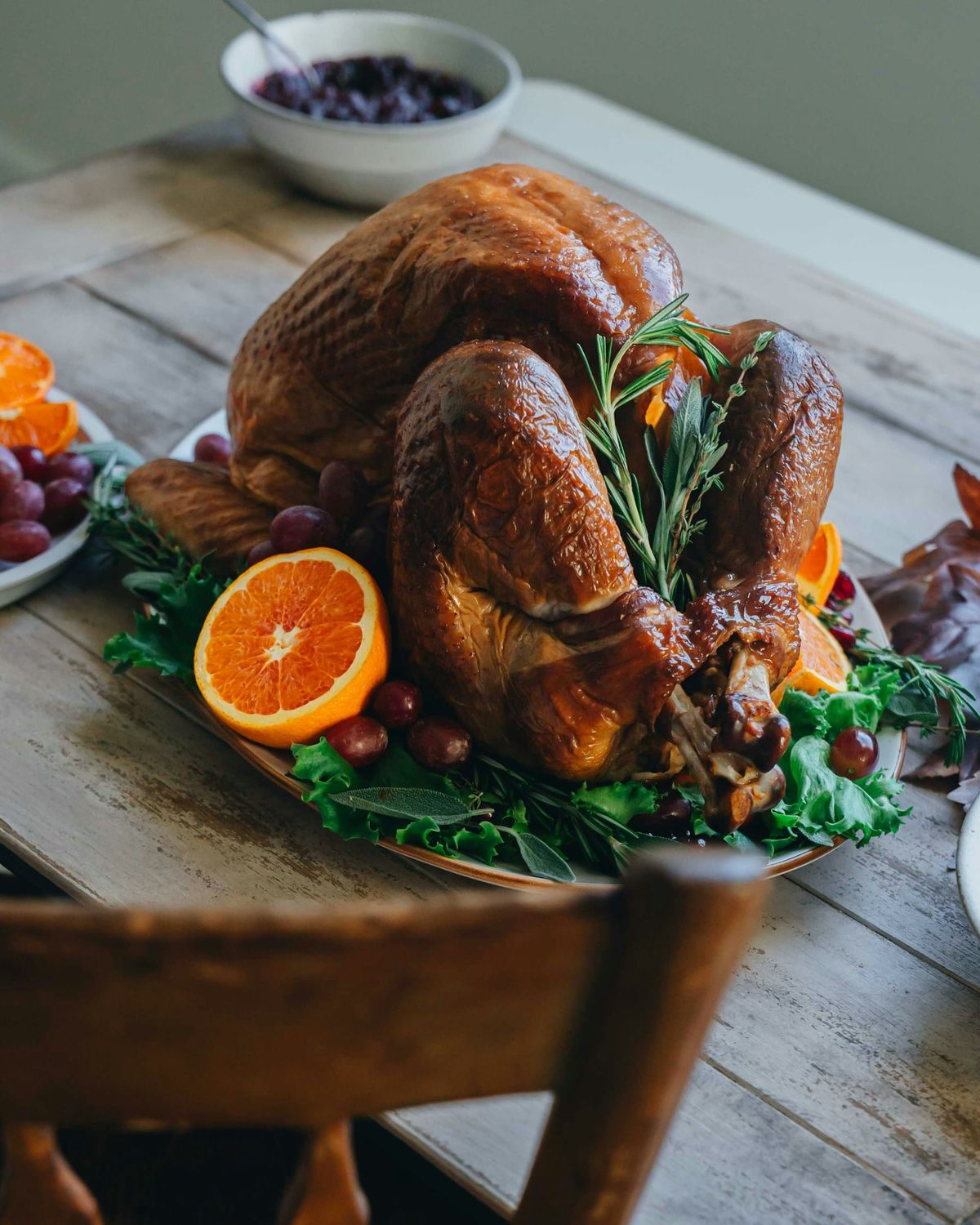
When November rolls around and the chill of late autumn settles over the landscape, American kitchens undergo a profound transformation. The grocery aisles overflow with heritage squashes, bags of cranberries, and massive roasting birds, signaling the arrival of Thanksgiving.
In modern culture, Thanksgiving is often packaged as a frictionless commercial holiday—a sprint through hyper-processed canned jellied cranberry sauce, instant mashed potato flakes, and marathon football broadcasts. Yet, beneath the plastic wrap and television specials lies a deeply rooted seasonal milestone that mirrors an ancient harvest feasts of human history.
To understand the true health and cultural potential of Thanksgiving, we have to look past the corporate supermarket displays and explore the agricultural history, regional evolution, and metabolic wisdom behind America's ultimate day of gratitude.
Deep Roots: The Evolution of the American Harvest Table
Just as European harvest festivals revolved from medieval grain-blessing rituals, communal threshing feasts, and autumn gratitude customs, American Thanksgiving has a complex history shaped by climate, regional agriculture, and cultural blending."
From Indigenous Abundance to Colonial Necessity
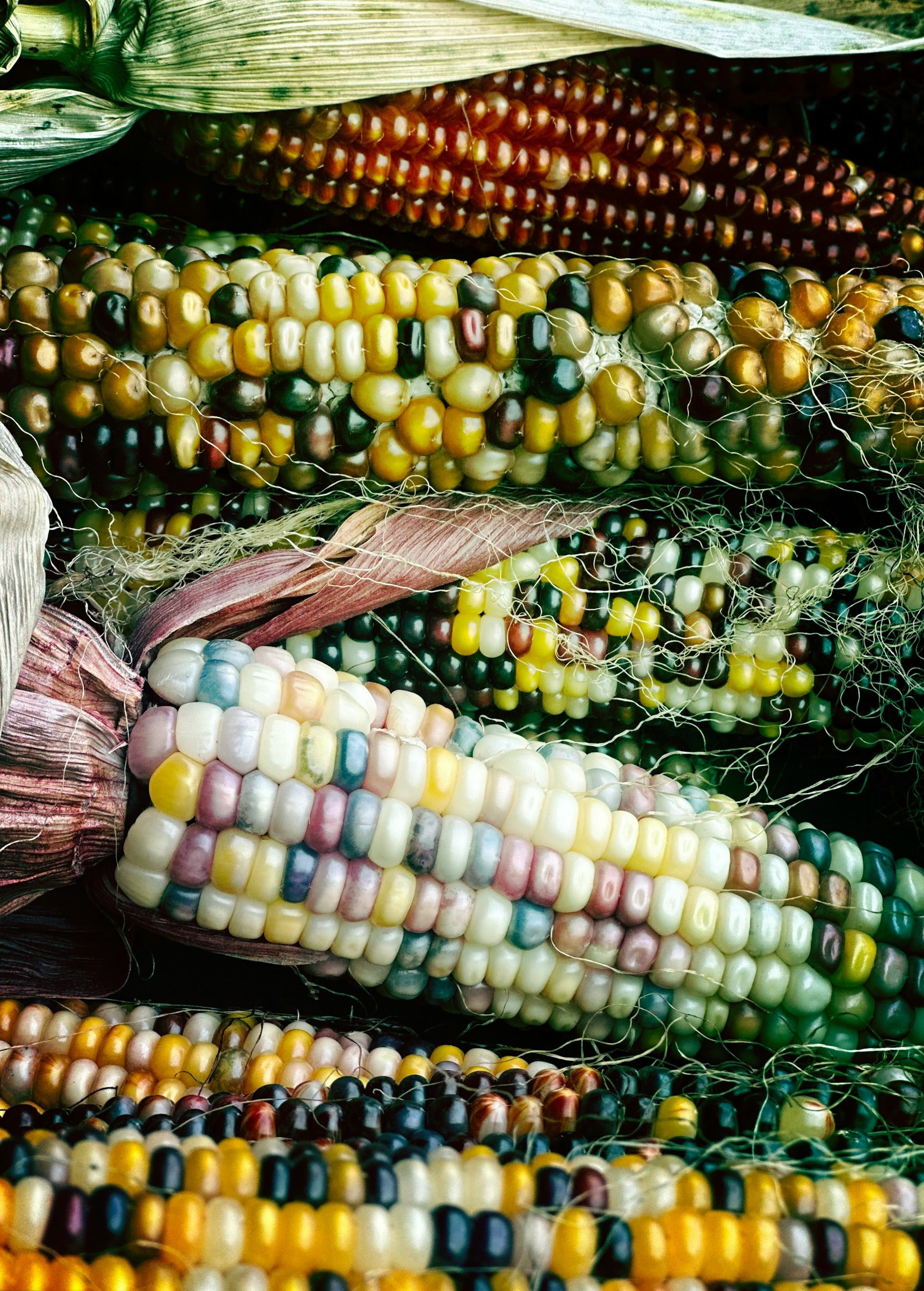
Long before European settlers arrived on the shores of North America, Indigenous nations across Turtle Island held sophisticated seasonal ceremonies honoring the harvest—giving thanks for maize, beans, squash, and the changing cycles of the natural world.
When early colonists faced grueling survival challenges in New England, adopting indigenous agricultural wisdom regarding the "Three Sisters" (corn, beans, and squash grown together in mutual symbiosis) meant the difference between starvation and survival. The historic 1621 harvest gathering at Plymouth was not a lavish, commercialized event; it was a pragmatic, community-driven alliance centered entirely on what the local earth and sea provided: wild fowl, native flint corn, pumpkins, and foraged forest berries.
How the Menu Evolved Over Centuries
If you sat down at a Thanksgiving table in the 18th or 19th century, the spread would look remarkably different from today's standardized turkey-and-stuffing template:
- A Wild Game Centerpiece: Before mass industrial farming standardized the broad-breasted white turkey, early American tables featured wild turkey, roasted goose, duck, or venison—depending heavily on what hunters brought home from the autumn woods.
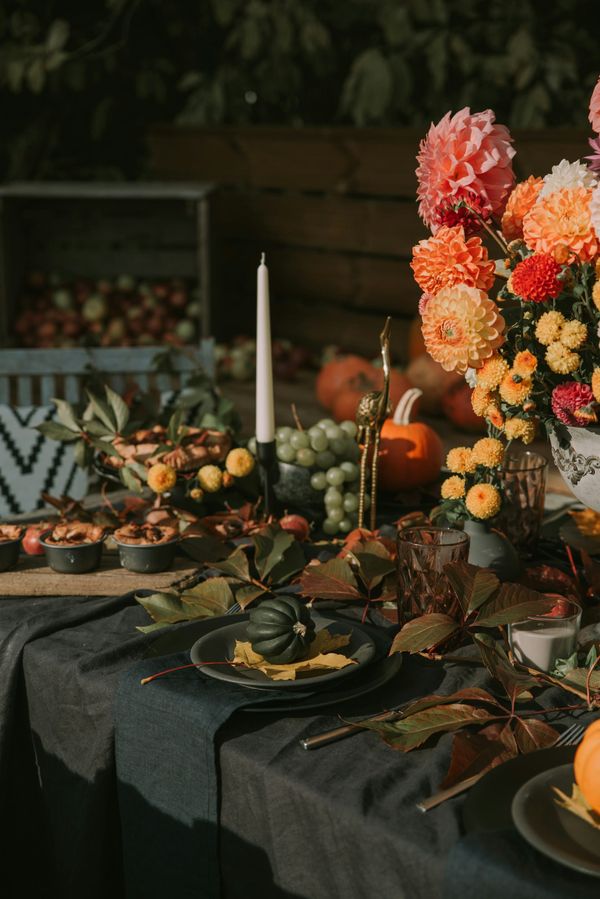
- Native Squash & Pumpkin Traditions: Pumpkins and winter squashes were not merely decorative doorstep props; they were foundational sources of complex carbohydrates and vitamins, baked into rustic, unsweetened custards or savory stews.
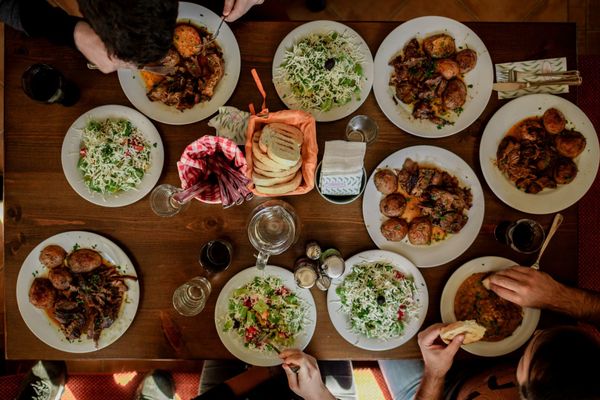
- Regional Variations: Just as European autumn harvest traditions vary wildly—from Bavarian roasted goose and cider pressings to Polish braided grain-harvest crowns and Mediterranean grape-stamping feasts—American Thanksgiving developed regional adaptations, incorporating sweet potato casseroles in the South, green chile cornbread in the Southwest, and freshly caught seafood in coastal regions.
The Metabolic Science of the November Feast
Why does a heavy, slow-cooked autumn meal feel so psychologically and physically grounding as November nights grow long?
Just as we explored in our post of autumn carbohydrates, our bodies are hardwired to respond to the changing photoperiod and temperature drops. The traditional Thanksgiving table is actually an seasonal masterpiece of nutritional synergy:
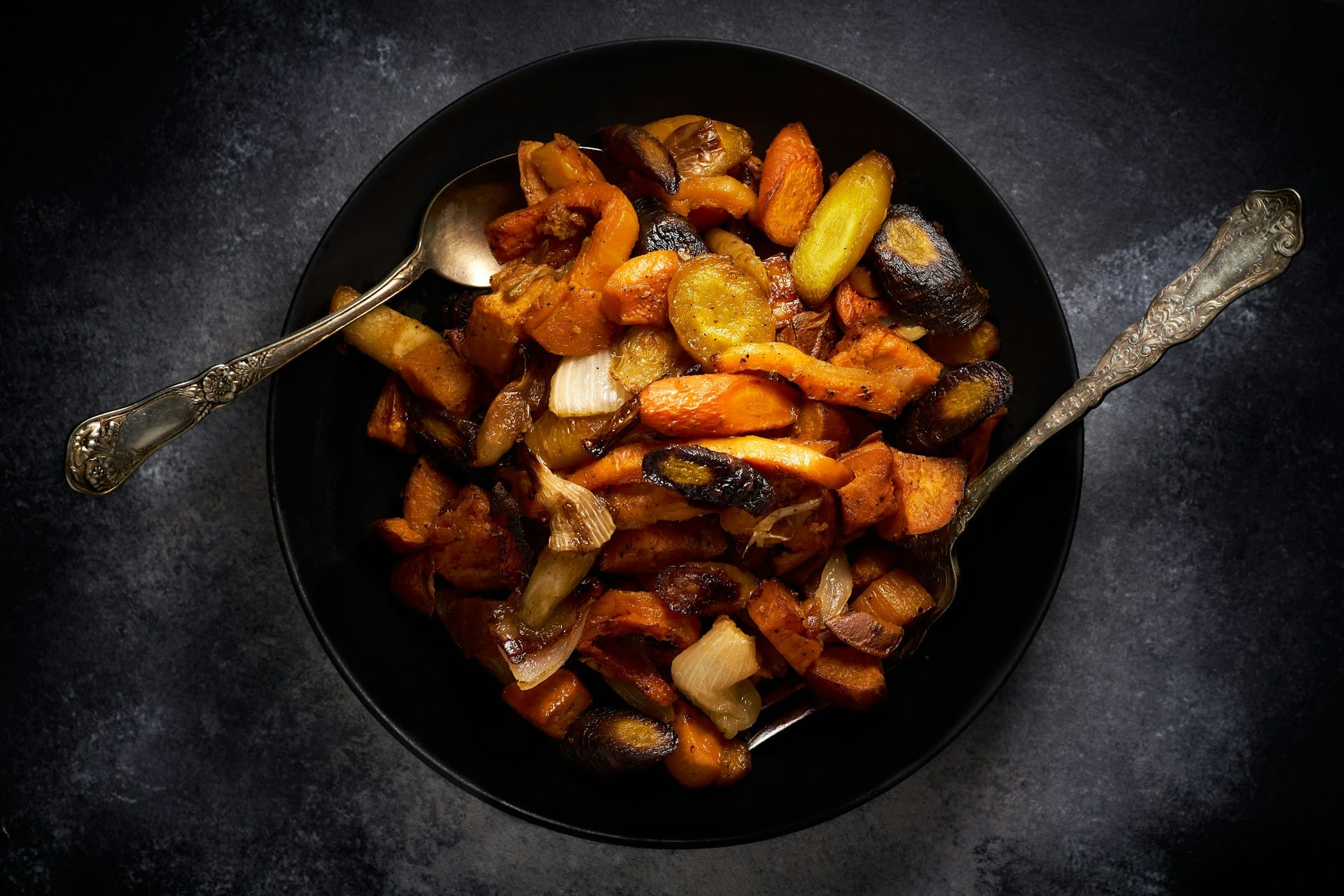
- Complex Carbohydrates and Satiety: Traditional dishes like roasted sweet potatoes, mashed root vegetables, and cornbread dressing provide complex, slow-burning starches that steady blood sugar and support brain serotonin synthesis as daylight diminishes.
- The Truth About Turkey and Tryptophan: While post-feast fatigue is often humorously blamed entirely on the amino acid tryptophan in turkey, modern nutritional science shows that the post-meal slump is usually the result of overall caloric density, heavy carbohydrate loads, and relaxed parasympathetic digestion after days of preparation. Tryptophan does support serotonin production, but it works best when paired with complex carbohydrates rather than refined sugars.
The Modern Dilemma: Convenience vs. Craft
In our fast-paced modern food landscape, Thanksgiving has unfortunately become vulnerable to industrial shortcuts.
- The Ultra-Processed Trap: Store-bought canned gravies, high-fructose corn syrup-laden cranberry sauces, and hydrogenated vegetable shortening pie crusts turn a nutrient-dense whole-food meal into an inflammatory metabolic burden.
- The Waste Paradox: Modern Thanksgiving is also one of the highest food-waste events of the year. While historic feasting celebrated abundance to prepare communities for the harsh winter ahead, modern excess often ends up discarded.
4 Ways to Celebrate a Traditional, Sustainable Thanksgiving
You do not need a commercialized, high-stress production to honor the spirit of Thanksgiving. You can strip away the synthetic noise and anchor your holiday in real-food traditions and sustainable choices:
1. Choose Heritage or Pasture-Raised Poultry
If meat is part of your tradition, seek out local, pasture-raised, or heritage turkeys from regional farmers. Birds that have roamed outdoors foraging on natural grasses and insects deliver superior flavor, healthy omega fatty acid profiles, and support ethical animal husbandry. Alternatively, embrace a stunning, nutrient-dense centerpiece like a roasted stuffed pumpkin or a wild mushroom and chestnut nut roast.
2. Elevate Whole-Food Side Dishes
Let seasonal root vegetables and brassicas take center stage. Prepare roasted winter squash drizzled with raw local honey, mashed parsnips with cultured butter, and vibrant fresh cranberry sauce sweetened gently with orange zest and unrefined apple juice rather than processed white sugar.
3. Plan for Intentional Leftovers
Honor the true harvest spirit by ensuring zero food waste. Make rich bone broths from turkey carcasses, freeze leftover roasted vegetables for future hearty winter soups, and transform day-old bread into savory strata or breakfast bakes.
4. Reclaim the Table as a Sanctuary
Keep screens, phones, and televisions out of sight. Use the meal as an opportunity to practice slow, mindful eating, share stories, and connect deeply with the family and friends gathered around your table.
What Is Your Favorite Thanksgiving Tradition?
Thanksgiving reminds us that gratitude is an active, communal practice. By stepping away from processed shortcuts, honoring the seasonal rhythm of the earth, and sharing real, nourishing food with the people we love, we transform a hectic holiday into a genuine sanctuary of health and connection.
Do you have a cherished family recipe or a local farm tradition you rely on every November? Share your favorite Thanksgiving dishes and gratitude rituals in the comments below!
Sources
Smithsonian Magazine: What Was on the Menu at the First Thanksgiving?
National Museum of the American Indian (Smithsonian): Do American Indians Celebrate Thanksgiving? / The Harvest Tradition
Library of Congress: The Evolution of Thanksgiving as a National Holiday